History, Mystery, and the Folklore of Britain’s Favourite Mammal
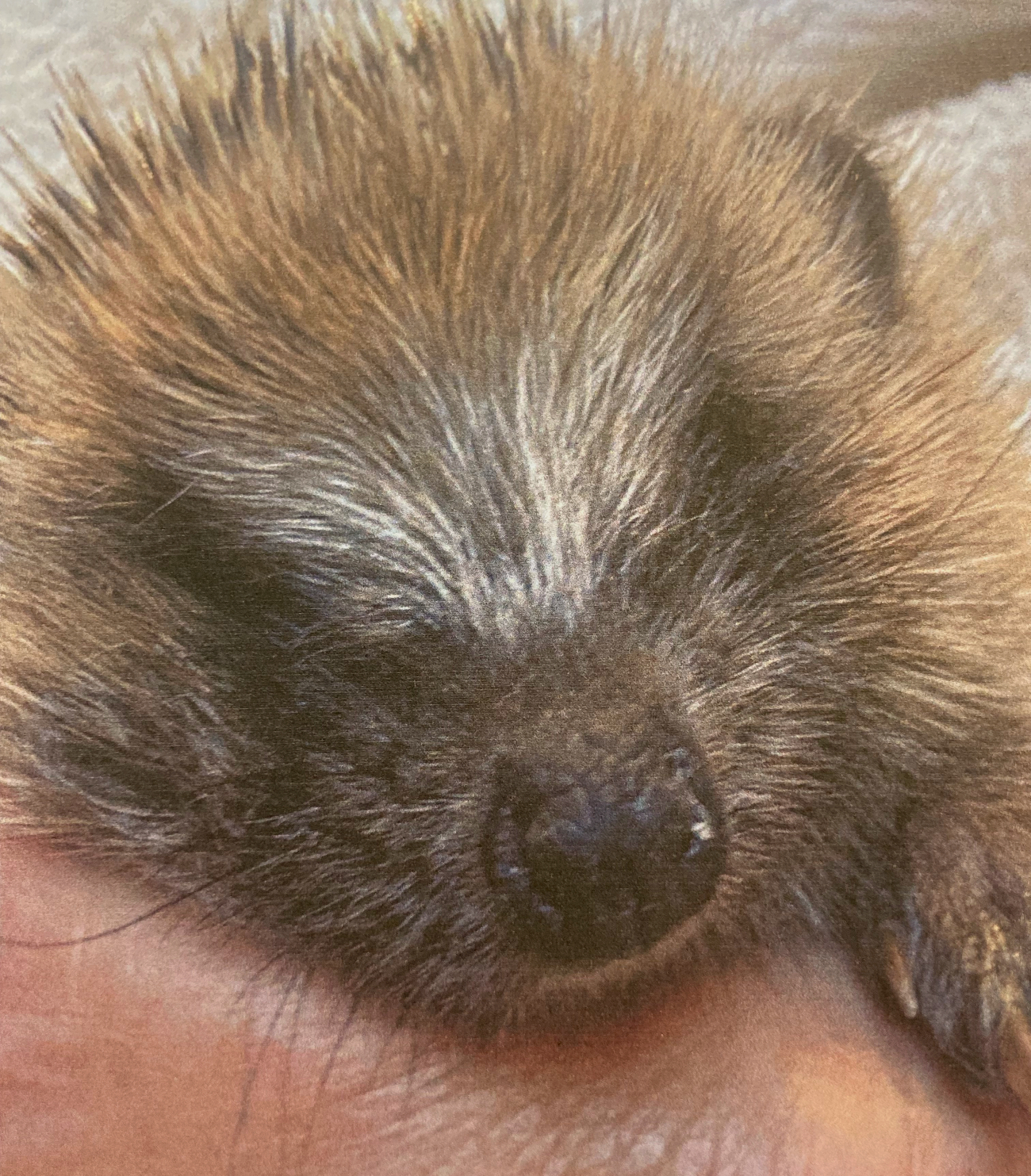
There is one creature that reigns supreme in the hearts of the British public. It’s not the majestic red deer, nor the clever red fox. It is a small, nocturnal, prickly ball of contradictions – the hedgehog. Here we’ll look at why we love hedgehogs, some of it’s history, mystery and the folklore of Britain’s favourite mammal.
Voted Britain’s national species in multiple polls, the humble hedgehog (Erinaceus europaeus) is deeply woven into the fabric of British identity. But how did this snuffling garden visitor become a beloved cultural icon?
To understand our obsession, we have to look past the cute exterior and dive into a history rich with ancient myths, bizarre misconceptions, and a dash of countryside magic.
The current population is estimated at around 1 million (down from an estimated 30 million in the 1950’s). Their conservation status is vulnerable. They were officially added to the UK Biodiversity Action Plan priority species list due to rapid declines so why is all this happening?
Saving Britain’s Favourite Spiky Garden Visitors
The UK’s hedgehog population is in serious trouble. Rural populations have plummeted by up to 50% since 2000, landing these iconic animals on Great Britain’s Red List for Mammals as “Vulnerable to Extinction.”
So, why are our spiky friends vanishing? It isn’t one single threat, but a “death by a thousand cuts” driven by human activity.
The Core Threats to hedgehogs
- Fenced Out (Habitat Fragmentation) – Hedgehogs roam about 2 km (1.2 miles) a night to find food and mates. Solid wooden fences and brick walls in modern gardens trap them in tiny green pockets, leading to isolation and starvation.
- The Loss of “Wild” Spaces – Post-WWII agricultural intensification has destroyed roughly half of the UK’s hedgerows—the ultimate hedgehog highways. Meanwhile, the suburban trend toward artificial turf, paving, and manicured yards has eliminated the leaf piles and compost heaps they need to hibernate.
- A Declining Buffet – A hedgehog’s diet relies on earthworms, beetles, caterpillars, and slugs. The widespread use of pesticides and slug pellets has decimated insect numbers. Worse, eating poisoned pests often leads to secondary poisoning for the hedgehogs.
- Roads and Hazards – An estimated 150,000 to 300,000 hedgehogs are killed on British roads annually. Because their natural defense is to curl into a ball rather than run, cars are lethal. In gardens, they face deadly encounters with strimmers, smooth-sided ponds they can’t climb out of, and netting.
Because hedgehogs heavily rely on residential spaces, your garden can become a vital sanctuary. Here are some things you can do
- Create a Hedgehog Highway – Cut a 13cm x 13cm (5″ x 5″) hole at the base of your fence. This links gardens together, allowing them to roam freely.
- Go Wild – Leave a corner of your garden untamed with long grass, logs, and leaves to attract natural prey and provide nesting materials.
- Ditch the Chemicals – Avoid slug pellets and chemical weedkillers.
- Add a Pond Ramp – Place a wooden ramp or bricks in your garden pond so any fallen hedgehogs can easily scramble out.
By making our neighbourhood just a little less “tidy” and a lot more connected, we can give Britain’s hedgehogs a fighting chance.

From “Urchin” to “Hedgehog” A Brief History
Before they were hedgehogs, they were urchins.
In Middle English, the word urchin meant hedgehog (which is why those spiky marine creatures are called sea urchins). It wasn’t until around the 15th century that the name “hedgehog” took over—a wonderfully literal description of an animal that frequents hedgerows and makes a distinct, pig-like grunting noise as it forages for food.
I was really confused when hearing this sound for the first time, thinking it was an actual pig in the garden and if you’ve ever heard their mating noise – well, that’s something else, they also ‘chirp’ as little hoglets; they scream, huff, snore, and hiss amongst other ‘cute’ sounds! Historically, the hedgehog’s relationship with humans hasn’t always been cosy, for instance in the Middle Ages, hedgehogs were victims of bad press. Because they were nocturnal and looked bizarre, folklore often associated them with witches, believing they were “familiars” or even witches in disguise.
Their odd appearance got them into trouble with Queen Elizabeth I when in 1566 she passed an Act that put a penny bounty on every hedgehog killed. The misconception? People believed they used their spines to steal milk from cows’ udders at night, and something had to be done!
Thankfully, the British public eventually saw through the milk-stealing propaganda, and the hedgehog transitioned from a countryside nuisance to a welcome garden guest.
Folklore, Magic, and Medicine
The hedgehog occupies a unique space in British and Celtic mythology. They were often viewed as symbols of wisdom, resourcefulness, and connection to the earth.
Why not try some nature and wildlife places to stay in the UK – Explore here
According to old British folklore, hedgehogs are excellent weather forecasters. It was believed that if a hedgehog blocked the opening of its nest facing north, a harsh winter was coming. If it altered its nest to face south, milder weather was on the way.
In ancient and medieval medicine, the hedgehog was practically a walking pharmacy (though not a very effective one).
To cure baldness – Ancient texts suggested mixing burnt hedgehog skins with oil to stimulate hair growth.
For better vision – Eating a hedgehog’s roasted liver was thought to grant night vision.
Fun Fact – In Romani folklore, the hedgehog is viewed with immense respect. They are seen as clever animals that can outwit larger predators, and pulling a single quill was sometimes thought to bring good luck.
Why is Britain So Obsessed with the Hedgehog?
So, how did we get from medieval bounty hunting to modern-day “hedgehog highways”? Why do we love them so much?

The “Beatrix Potter” Effect
We can’t talk about British hedgehogs without mentioning Mrs. Tiggy-Winkle. Published by Beatrix Potter in 1905, the tale of the industrious, cap-wearing hedgehog washerwoman cemented the animal into the childhoods of generations. This literary romanticism turned the hedgehog into a symbol of cosy, rural British charm.
Unlike foxes that might raid a bin, or badgers that can dig up a lawn, hedgehogs are the ultimate “good neighbors.” They are the gardener’s best friend, quietly eating their way through slugs, snails, and beetles.
Hedgehogs are uniquely vulnerable. They don’t run away, bite, or scratch when threatened; they simply roll into a ball and hope for the best. This defense mechanism, while brilliant against a badger, is useless against a car or a lawnmower. Their plight has triggered a massive, nationwide wave of protectiveness. From the creation of “Hedgehog Champions” to neighbours cutting holes in fences for “hedgehog highways,” caring for them has become a collective British hobby.
Protecting Our Spiky Friends
Today, the mystery surrounding the hedgehog is less about witchcraft and more about their survival. As we’ve seen their numbers in the UK have faced a steep decline over the last few decades due to habitat loss and modern fencing.
Yet, the British obsession remains unbroken. We build them houses, we leave out bowls of cat food, and some of us even count down the days until they wake up from hibernation in the spring.
The hedgehog represents a bygone, wilder Britain that we are desperately trying to hold onto. They are proof that you don’t need to be fierce or majestic to be a national treasure—sometimes, being small, a bit clumsy, and thoroughly unique is more than enough.
Have you ever thought about a holiday stay which incorporates wildlife? Find out more about the Folklore and legends of the UK here
Until next time dear friends x