Unscrambling fortune telling and tales of Norfolk, tea-leaf reading, palm reading, and other insights into the world of fortune telling.
Hello, my fellow aficionados of the arcane and the historically bizarre! It’s your resident chronicler of all things eerie, back again to pull back the dusty velvet curtain on another fascinating corner of Britain’s enigmatic echoes of the past. Today, we’re not just looking at a few shadows; we’re peering into the very fabric of fate itself. We’re delving into the captivating, sometimes comforting, often chilling world of fortune telling in the UK – a practice as old as our ancient stones and as persistent as a whispered secret in the dead of night.
I was keen to do a post on this after a visit recently to lovely Norfolk.
Years ago I happened to be in the seaside village of Wells-Next-The-Sea on the North Norfolk coast. It has all the usual stuff a quaint English seaside town can offer, like screeching seagulls, salty air, candy floss, rock shops, fish and chips; but there is something rather special about Wells-Next-The-Sea (so called as it was found to have a number of natural wells – and the ‘next -the- sea’ bit , to distinguish it from many other Wells’) – its got old charm and a peaceful tranquillity. With its picturesque harbour and sandy beaches, I’ve seen people drive there at teatime just to sit and gaze out to sea eating their fish and chips in the car.

So, some years ago, we’d parked in the little car park in the main town, in those days it was free, today of course there is a charge. It is a very small car park and in it stands right near one of the UK’s smallest houses, a 1 up and 1 down (this has recently been sold so I’m sure changes are on the way), fisherman’s cottage from bygone days I believe.
But the day I was there; an old man with a brightly coloured skull cap just stood there taking up the whole doorway of the little house, “Hello there”he said in his gentle Norfolk accent “fancy your palm read”. I glanced around and knew straight away this was genuine; but in a weird way. This wasn’t anything you normally come across; but as I noticed there were little signs in each very tiny windows, saying exactly that – “Palm Reading, Step Inside”.

He showed me upstairs which was just a few steps and into a tiny room which mirrored the room downstairs, far too small to get any amount of furniture in just a simple table, rag rugs and and a few candlesticks.
We sat at a small wooden table with a lit candle, the room was dimly lit and smelled slightly musty. He read my palm, and it was a great experience, he told me things he could not possibly have known about me, as I had never met him before or knew of any other shared acquaintances. Inspecting my hands, my ‘heart’ line, my ‘head’ line, and my ‘life’ line, he said a few things I didn’t particularly like, but they have indeed come true. I always meant to go back and see him but when on my last visit, asking around, people reported not to have known any such person, I guess it was a long time ago, or, did it even really (in the real world) happen?
From tiny cottages to the smoky backrooms of Victorian parlours to the hushed circles of ancient pagan rites, the urge to glimpse what lies ahead has always held a powerful sway over the human heart. I think It’s a primal desire, isn’t it? To know if prosperity awaits, if true love is on the horizon, or if danger lurks just around the bend. And in Britain, an island steeped in folklore and mystic traditions, fortune telling hasn’t just been a fleeting fad; it’s been an intrinsic, often deeply personal, part of our cultural tapestry.

The arrival of the Romans to these shores, brought new influences, including their own forms of divination, but the underlying thirst for foresight remained, as it had done with the Saxon’s and beyond. As Christianity took hold, many pagan practices ( like bird flight, water divination and the runes)were suppressed or absorbed, yet the desire for prophetic insight stubbornly persisted, often going underground or manifesting in new, more “acceptable” forms.

Medieval Mysteries and Witchcraft Woes
Fast forward to the Medieval period, and fortune telling takes on a more dangerous edge. The Church, ever vigilant against perceived heresy, viewed many forms of divination with suspicion, often linking them to witchcraft. Yet, despite the risks, people continued to seek out those who claimed to possess second sight.
Cunning village folk, often women, but in my case an old man with a bent back, became vital figures in their communities, offering remedies, charms, and, yes, glimpses into the future. They might interpret dreams, read tea leaves, or even use scrying water or mirrors to reveal what is to come.
This was a time when life was precarious, and certainty was a rare commodity. A poor harvest could mean starvation, a lingering illness could be a death sentence, and the unknown was a constant companion. Is it any wonder that people desperately sought comfort or warning from those who claimed to peer beyond the veil? Of course, the paranoia of the witch trials saw many innocent individuals condemned for such practices, turning what was often a benevolent community service into a perilous act of defiance.

The Georgian Glimmer and Victorian Visions
By the Georgian era, while still viewed with a degree of suspicion by the educated elite, fortune telling had become a more common, if discreet, pursuit. Almanacs, filled with astrological predictions and advice on auspicious days, were popular. Ladies of leisure might consult ‘cunning women’ or experiment with parlour games designed to reveal future spouses.
But it was in the Victorian times that fortune telling truly boomed, flourishing amidst the gaslight and gloom. This was an age obsessed with death, spiritualism, and the unknown. The loss of loved ones, coupled with rapid social change and scientific advancements that simultaneously amazed and unnerved, created fertile ground for those who claimed to communicate with the other side or to unravel the threads of destiny.

Seances became fashionable, with mediums claiming to channel spirits and offer guidance from beyond the grave. And then there were the more grounded, yet equally captivating, forms of fortune telling that took hold: It offered a sense of control and self-understanding in a world that often felt chaotic.
Fortune Telling and Predicting the Future
- Palmistry (Chiromancy) The reading of lines and mounts on the hand, and not just the palm are believed to reveal the character and capabilities of the subject. Every part of the hand(s) tell a story of the individual. Both hands are read and the fingernails, fingers, colour and feel of the skin are all taken into consideration.

What does your hand say about you?
- A sensitive hand – with a long palm, and long fingers, suggesting a person of strong emotions and imagination, would be perhaps a volatile or introverted person.
- A practical hand – with a broad palm and short fingers, indicating a down- to- earth sole, hard working and industrious in nature.
- An intellectual hand – with a short palm and long fingers , suggests an orderly, clear-thinking person, perhaps articulate.
- An intuitive hand – with a long palm and short fingers indicating a quick, restless person, tending to be an individualist.
Fingernails even if well manicured or not, even chewed, will always reveal the basic shape and their owners character!
- Short, broad nails equal someone with a critical, quick temper, lacking in self-control.
- Short nails (not cut, but the size of them) show someone to be enthusiastic and scientific.
- Long oval nails may say someone is courteous, sincere, and easy-going.
- Wedge-shaped nails shows an extremely sensitive person.
- Large, squarish nails indicate someone who is perhaps selfish, sad and cold
- Long broad nails – a little timid but rational with good judgement.
Have you discovered more about yourself?
This era also saw the rise of the travelling Romani people, whose fortune-telling traditions, often involving palmistry and card reading, became an iconic, if sometimes romanticised and stereotypical, part of the British landscape. Their colourful caravans and mysterious presence added to the mystique of the fortune teller. I did do a weekend long training course in the tarot = too much for me to learn and retain but met some thoroughly nice people and some genuine believers who seemed to have a gift for card reading.
- Tarot Cards: Though their origins are older, (possibly Arabic, brought back to Europe by returning Crusaders) tarot gained immense popularity in the Victorian occult revival. Elaborate decks, rich in symbolism, were used to tell stories of the seeker’s past, present, and potential future. Each card, from the enigmatic High Priestess to the foreboding Tower, held a wealth of interpretive meaning.
The Tarot is like a large pack of playing cards, in a standard tarot pack there are 78 cards, but numbers can be added or taken away.There are many methods of operating and and a number of different arrangements can form a spread. As few as 7 cards (the seven-card spread) or as many as 54 cards (the Royal-spread) In Britain the common arrangement is the Celtic method, a ten-card spread.
There are the traditional decks – The Rider-Waite deck (which I have had this crumpled pack of cards for years), being the best selling tarot card deck in the 20th century the Rider-Waite was created by Arthur Edward Waite a leading scholar of the occult in the 1900’s. The Thoth Tarot (created by the famous occultist Aleister Crowley (1875-1947) was published in 1969 after his death, and The Tarot de’ Marseilles. (based on original woodcut designs – this pack was famous with French scholars). The design and art work are just as important to both the reader and collector, as well as the enthusiast.
There are also specialised decks, historic decks, and themed decks, including The Old Path, Tarot of the Witches, The Vampire Tarot, and Spiritsong among 100’s of others equally beautiful which showcase the work of artists. Salvador Dali (Spanish surrealist artist 1904-1989)illustrated a richly symbolic pack, using collage, this was one of his last major works. Some of these packs can be very collectable; purchased and never used for fortune telling.

Each deck has 22 Major Arcana or ‘triumph’ cards telling a story about major shifts in your life if you are having the cards read for you, and 56 Minor or ‘pip’ cards shining light on practical details, short term issues and daily life – these Minor Arcana, which consists of 4 suites; Swords, Wands (sometimes known as rods, sceptres, staves, or batons) Cups, and Pentacles (also known as disks or coins). And each suite has cards numbered 1-10 and then 4 Court cards, The King, The Queen, The Knight, and The Page.
It is a world mixed with mystery and intrigue it is a beautiful combination of art, history, and psychology that continues to evolve with every new deck created.
- Crystal Gazing (Scrying): The practice of looking into a reflective surface – be it a crystal ball, a polished mirror, ( makes you think of the Evil Queen?)or even a bowl of water – to see visions or receive messages. Crystal gazing or Crystallomancy is the only real variation of scying (old English for ‘seeing’) commonly used today. The sheer theatricality of a dimly lit room, a glittering orb, and a hushed seer must have been utterly compelling.

Nostradamus (16th century)or Michel de’ Notre Dame, was a french astrologer and physician and known for his prophecies. Nostradamus’ methods of seeing into the future and foretelling the fate of others, world events, and the death of a king, are not exactly known but what is known is that reference to a ‘magic mirror’ and he tells of making use of a brass bowl filled with water. This story likely comes from writings at the time that Catherine de’ Medici, (1519-1589)a firm believer in diviners; sought his council when concerned for the future of her children.

At a reading the water or ball can become cloudy at first, but the mist should clear and true visions will appear. Some scyers can distinguish the mist or ‘clouds’ in colours – black clouds portends towards evil, with white clouds being the best colour clouds to see, signifying good luck. Blue is a good sign too, and yellow means jealousy, while red or orange being a sign of anger, hatred or danger. Shapes in the form of a skull could be a sign of death and depending on where in the crystal ball it is seen to the left, in the middle etc, this can all point toward a future, past or present event.
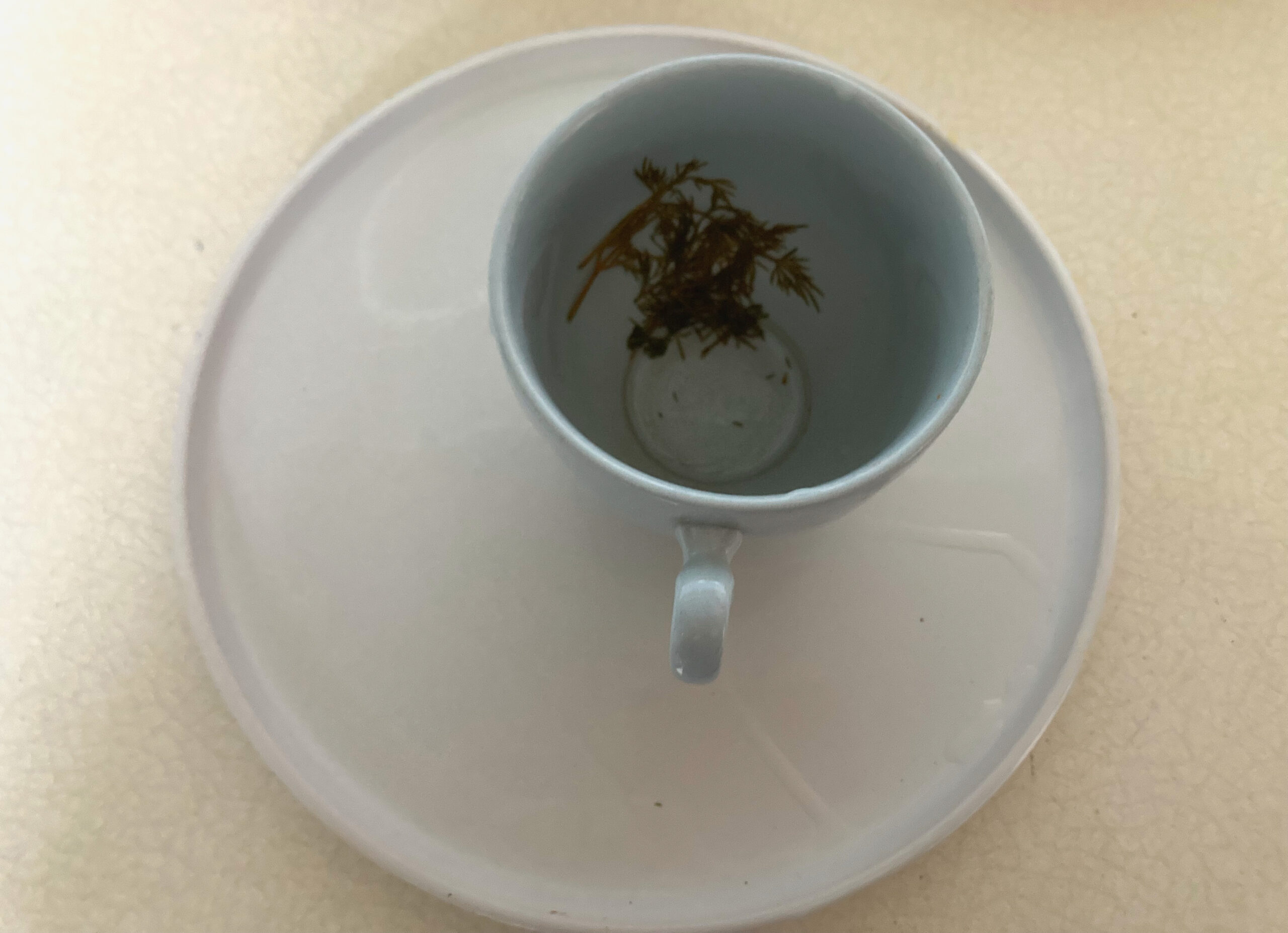
- Tea Leaf Reading (Tasseography): A more accessible and often domestic form of divination, where the patterns left by tea leaves at the bottom of a cup were interpreted. It was a charming, everyday mystery for many.
For the reader to tell your fortune you must first drink from the cup, this being a plain white cup and a fresh brew. While drinking, think of your issues and what you would like to clear from your mind. Then in your left hand swirl what is left of the liquid three times in an anti-clockwise motion before tipping the cup up-side down over the saucer. Wait for a few seconds or longer if you have other deeper thoughts you wish an answer to; then when you turn the cup the right way up again, the reader can begin.
The careful study of the leaves for any reconisable shapes, turning the cup, perhaps squinting in order to make good these sometimes irregular but often quite obvious patterns. She or he may see a ball and chain, a full or half moon, an arrow, a conteneint shape, whatever the shape they are usually symbolic and easily understood.

It is said generally any shape that finds itself nearer the handle, the more it will affect you, or your family. Further away from the handle portends to it receding from you. Shapes near the rim of the cup are in the present, and those at the bottom are still far in the future. The actual bottom of the cup is in fact a rather unlucky area.

These are only a few of the methods used by fortune tellers, there are many other techniques used all over Briton even today. Most people love to indulge in fortune telling even though it is not based in scientific fact, we are all curious individuals and sometimes patiently waiting for something to happen is just not as exciting as as getting a tantalising peek behind the curtain of fate, even if it’s just for fun.
Modern Mystics and the Lasting Allure
As we moved into the 20th and 21st centuries, fortune telling didn’t vanish; it simply adapted. The two World Wars, with their immense uncertainties and personal tragedies, saw a resurgence of interest in spiritualism and psychic readings. People desperately sought reassurance that their loved ones (remember no mobile phones then)were safe or that they would return home.
Today, fortune telling in the UK continues to thrive, albeit in a more diverse and often mainstream fashion. Online psychics, tarot readers at spiritual fairs, astrology columns in newspapers, and self-help books on intuitive development all speak to that enduring human need to understand our path.
The law, too, has evolved; while historical “Vagrancy Acts” once targeted fortune tellers, modern legislation focuses on consumer protection, largely allowing the practice as long as no intent to defraud is present.
The Enduring Mystery
So, what is it about fortune telling that continues to captivate us? Is it a genuine connection to something beyond our comprehension? A psychological comfort in times of distress? A fascinating game of chance and interpretation? Or perhaps, as some might argue, a clever cold reading that plays on our hopes and fears?
For me, as someone who revels in the eerie and the unexplained, the truth probably lies somewhere in the beautiful, shadowy overlap of all these possibilities. Whether you believe in it or not, the history of fortune telling in the UK is a powerful testament to humanity’s eternal quest for meaning, for guidance, and for that tantalising glimpse into the great unknown. It’s a whisper from the veil that has echoed through our islands for millennia, and it shows no signs of falling silent anytime soon.
What are your thoughts, my fellow history buffs and seekers of the strange? Have you ever had your fortune told? Do you believe in the power of foresight? Share your stories and ponderings in the comments below! And until next time, keep your eyes peeled for those subtle signs and omens – you never know what secrets the past, and indeed the future, might hold!
I’m off to have a cup of tea, until next time dear friends x