The Village That Time Forgot
What Lies Beneath? Stones, Spirits, and Horses……………
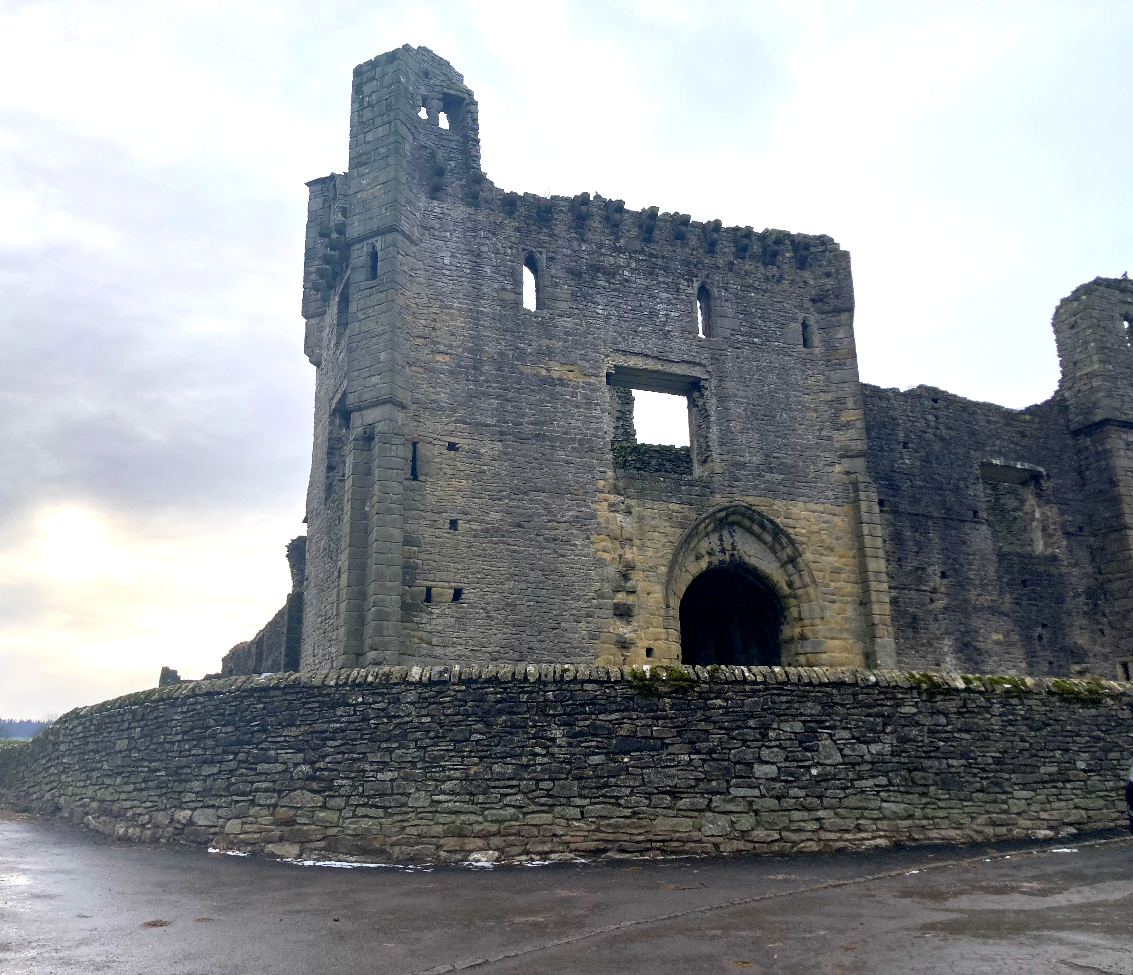
Stepping out of the castle gates and into Middleham village is like sliding back through a crack in time. It’s a place of steep cobbled streets and ancient Inns, but look closer and you’ll notice something unique – The Horses.
Middleham is the “Racing Capital of the North.” Every morning, the silence of the ancient village is broken by the rhythmic thunder of hundreds of Thoroughbreds heading to the moors for exercise. There is a strange, beautiful energy in seeing these elite athletes gallop past the very walls where Plantagenet kings once rode and the very sound of a medieval village.

It is said Richard III loved this place. Was it the strategic vantage point, or does Middleham sit on something older and more spiritual? Some paranormal investigators claim the castle is one of the most active sites in Yorkshire, with sightings of a “Lady in Blue” and the sound of phantom hoof beats echoing in the empty courtyard.
There is a specific kind of silence in the North of Yorkshire. It isn’t the absence of sound, but the presence of history—heavy, thick, and layered like the limestone beneath our feet. Today, we’re venturing into the heart of Wensleydale to uncover the Dark Secrets of Yorkshire, starting with a castle built for a King and ending at a bridge built by the Devil.
Our journey begins at Middleham Castle, the “Windsor of the North.” While the world remembers Richard III as the king found under a car park, here he is still the White Boar. But the castle hides more than just royal memories.

Remember the Middleham Jewel? This gold-and-sapphire pendant, lost for 500 years, wasn’t just jewellery. With its inscriptions of “Ananyzapta,” it was a piece of high-stakes medieval magic—a desperate plea for protection against “the falling sickness” and sudden death. When you stand in the ruins today, you have to wonder – what other talismans are still pressed into the mud, waiting for a heartbeat to find them?

Jervaulx Abbey, North Yorkshire. The Cistercian Monks in the 12th century, would have made Wensleydale Cheese from ewe’s (sheeps) milk, now though exclusively made from cow’s milk and known as Yorkshire Wensleydale
Jervaulx Abbey and Whispers Underground
But the secrets don’t stay on the surface. Beneath the cobbled streets of Middleham village, legends of hidden tunnels persist. From the “Monk’s Path” stretching four miles toward the ruins of Jervaulx Abbey, to the rumored vaults where Yorkist gold was stashed during the Wars of the Roses, the ground here is a honeycomb of mystery.
At Jervaulx, the “Wild Garden” abbey, the atmosphere shifts. Here, the monks didn’t just pray; they bred elite horses and invented Wensleydale cheese, both these things you can see and taste today. When Henry VIII ordered the abbey blown up,(using gunpowder in 1537 as punishment for the Abbot having been rebellious to his King) it left a scar on the landscape that still feels raw.
In private hands today the Abbey can still be visited at certain times – there is an honesty box with a £3 suggestion charge – there too is a cafe (writing 2026)

The Devil’s Toll, Yorkshire
Following the river to Kilgram Bridge – If you believe the locals, this isn’t the work of man, but a bargain with the Devil himself. Built in a single night and paid for with the life of a dog named Grim, it stands as a reminder that in Yorkshire, every path forward has a price. The story goes that the devil was outsmarted by an old lady – the devil agreed with the villagers that if the bridge was built in a single night the first person to walk over it would be sacrificed to him – everyone agreed. And the next morning a little old lady got her dog to walk across the bridge – the deal had been struck (I’m guessing the devil hadn’t been specific about it being an actual human being) so the devil had to agree and since that day everyone to cross after that would be safe from him.
Underneath the medieval stone, the ancient Roman ford still sits in the riverbed—a reminder that we are just the latest in a long line of souls trying to cross these dark waters.
As we leave the sacred silence of the Abbey behind, we head toward a place that feels less like a historical site and more like a fever dream etched into the Yorkshire landscape: The Forbidden Corner just a few miles up the road.
Originally a private folly built in the 1980s by Colin Armstrong, this four-acre labyrinth at Tupgill Park has become a modern legend. It is often called “The Strangest Place in the World,” and for good reason—it is a physical manifestation of the secrets we’ve been chasing.
The Temple of the Underworld
At the heart of the labyrinth lies the Temple of the Underworld. To reach it, you must navigate a series of psychological and physical traps. There is no map here; you are handed a checklist of things to find and left to the mercy of the “Face Tower.”

They say as you descend into the Temple, the air cools and the light dims. You’ll encounter a huge pyramid made of translucent green glass and the “Eye of the Needle,” a passage that narrows so alarmingly it makes you feel like Alice in Wonderland.
The Underworld is populated by extraordinary statues, moving floors, and ghostly voices that whisper from the shadows. It feels as though you’ve stepped into a subterranean realm where the rules of the surface world no longer apply.
A Modern Folly on Ancient Soil
While the structures are modern, they are built on the Tupgill Park Estate, where the Armstrong family has lived since the Victorian era. The walled garden where the labyrinth sits was originally just a windbreak for the stables.
When they started digging the “little grotto” that would become the Temple of the Underworld, they struck underground springs and massive boulders. It’s as if the Yorkshire earth itself was resisting the intrusion—or perhaps, it was inviting the creators to dig deeper into the mysteries of the Dales.
The Labyrinth Experience
This isn’t a theme park; it’s a Gothic adventure. When we arrived it was closed for refurbishment but open again in the Spring 2026 – You’ll find –
- The Burping Dragon: A massive gatehouse entrance that challenges you to enter its maw.
- The Giant Dog’s Head: A stone fountain perched unexpectedly among the trees—a silent nod, perhaps, to the legend of Grim at Kilgram Bridge?
- The Rotating Chambers: Rooms that mess with your senses, making you question which way is up and which door leads to salvation. Booking needs to be done prior to your visit, visits around 2 and a half hours but time should be made for getting lost in the mazes. More here
The Final Secret?
Some visitors claim that after wandering the tunnels of The Forbidden Corner, they feel “lighter,” as if the labyrinth has a way of stripping away the modern world. Is it just clever architecture, or has Armstrong tapped into the same spiritual energy that the monks at Jervaulx and the Kings at Middleham felt centuries ago?
What do you think? Is the Temple of the Underworld a modern masterpiece, or a doorway to something older?
Until next time dear friends x Share your thoughts …….