The Isle of Wight truly has something for everyone. Whether you’re looking for a good walk, a fantastic photo opportunity, or a luxurious stay, it’s all here. There are plenty of activities for the kids and grandkids too, with a wide range of indoor and outdoor options.
Content
- Isle Of Wight
- Ancient Villages and Historic Towns to Explore
- A Ghost Story
- Garlic will Keep the Vampires Away
- Ghosts, Popes, and Castles
- List of things to do East of the Island
Isle Of Wight
In this guide I will walk you through some of the history of the Isle of wight and some of my favourite haunts. As well as providing you with some ghostly tales, as you know that’s what I’m all about.
“The Isle of Wight has plenty to offer the discerning visitor”, the guide books read – Well yes it does but that all sounds a bit stuffy to me, I think what they really mean is it seems a little pricey – and on the surface of it, it does seem so, I guess though when you take getting the ferry there into consideration, and build in entertainment, goods, and services (some place are adding their own costs to cover bringing stuff in from the mainland) it can all add up. However, there is plenty of free stuff to see, and budget things to do. If it’s a favourite haunt you’re after, I know people who go back year after year and still can’t get enough.
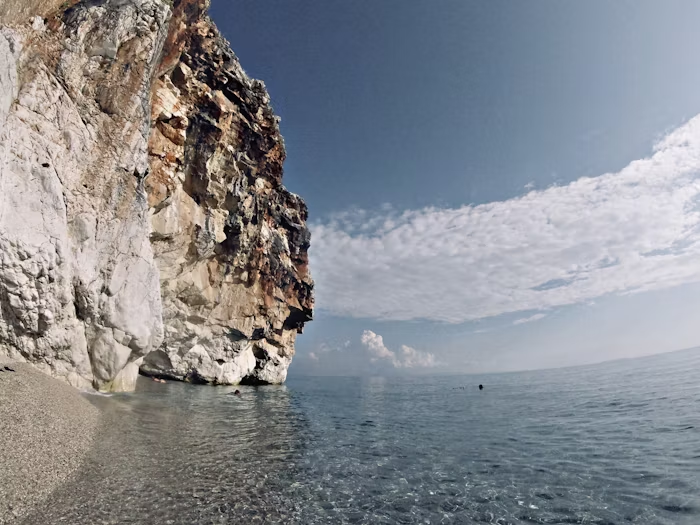
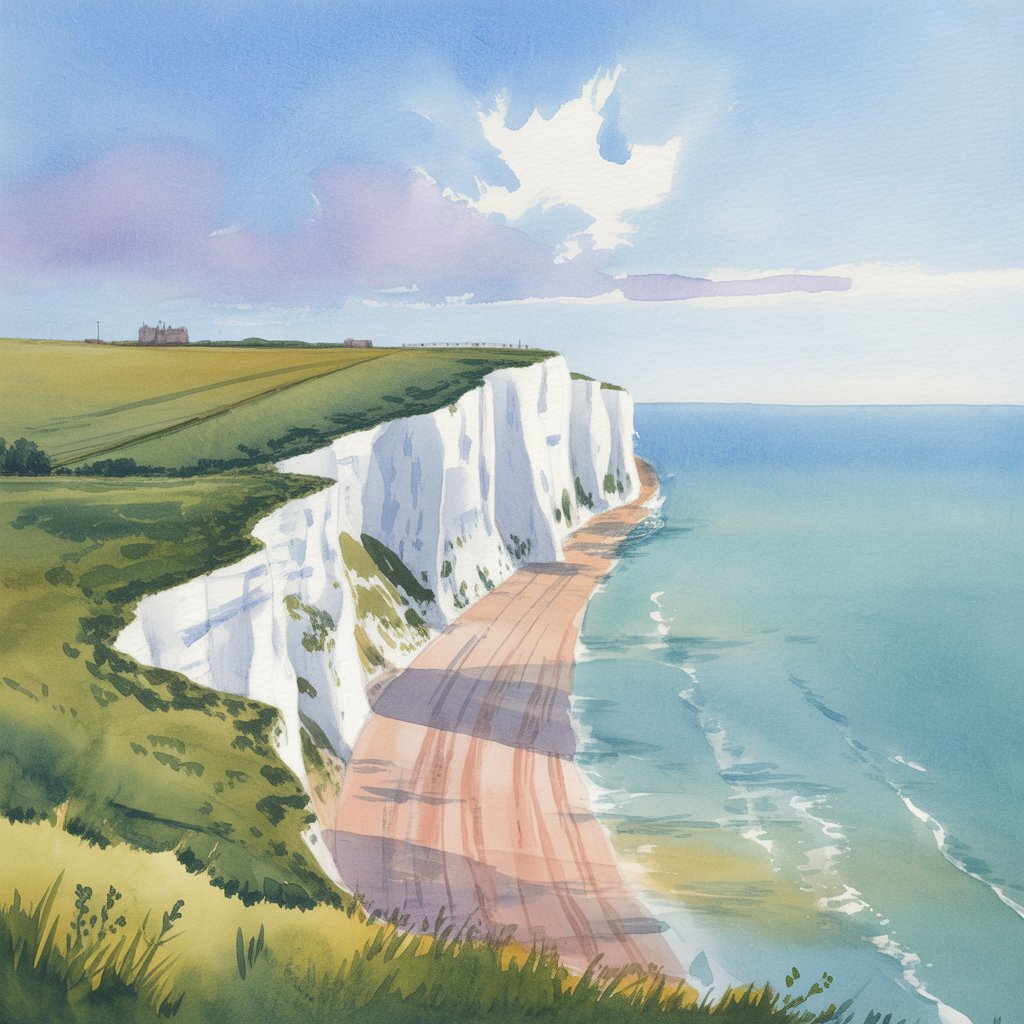
The Maritime influence is great here, and there’s nothing to fill you with nature and healing like these wonderful seascapes and if you are able to, you can walk this coastline for miles and admire the magnificent ancient area of chalk downlands; effectively walking on landscape that was once a seabed during the late cretaceous period (about 65 million years ago) From the east at Culver Cliff to the west at The Needles (eerie, massive chalk stacks (rocks) standing in the sea of about 120 feet high) and to the south, explore Compton Down grasslands.

Ancient Villages and Historic Towns to Explore
- Cowes
- Shanklin Chine and Shanklin Village
- Ryde
- Newport
- Sandown
- Brading
- and Yarmouth – each we will have a look at in this blog. Coastlines and golden beaches and dramatic landslides await you too. Venture along the Jurassic cliffs (rich in dinosaur and prehistoric remains) and admire picturesque, rural villages which will keep you captivated.
There is plenty of ancient woodland and open heath to discover too. There is a favourite haunt here for everyone. This guide selects the best in the region and with plenty of history on offer you really will be leaving wanting more.
The Isle of Wight is the largest island off mainland England’s coast, and is separated from the mainland (due to erosion of the rock into the sea) by the *Solent, which is a body of water known as a strait or a narrow passageway of water now serving as a major shipping route for passengers (you get to the Isle of Wight by ferry either from the North to Cowes, East to Ryde, or the West to Yarmouth (not to be confused with Great Yarmouth in Norfolk!) and too has been used for freight and military vessels.
*Solent – the name of an ancient English route: possibly after the bird -the Solant gannet or Solan goose, or Solant bird.
Cowes to the north of the island is famous for its sailing regatta held in August. Within this small island (North to South about 13 miles and West to East about 22 miles) there is plenty to do. If you want to get to the ‘East of Cowes’, from East Cowes you might like to take the iconic chain ferry, or floating bridge as it’s sometimes called; two passengers and a car will cost you less than one portion of fish and chips.

At East Cowes visit East Cowes Marina and Osborne House (a private retreat used by Queen Victoria and Prince Albert, in the Victorian days) Queen Victoria bought Osbourne house in about 1845 and used it as a get-away from the pressures of life whenever she could. It is a lovely little visit and I especially enjoyed the little Swiss Cottage in the grounds, crafted by Prince Albert for his children to enjoy.

Want to know more? HERE
Shanklin Chine (a steep-sided coastal gorge) is a deep ravine, this place has attracted visitors for over 200 years with its tranquil and picturesque location, amble through the stunning tree-lined chine from the Shanklin Old Village to the beautiful sandy beach. HERE


The ravine, or gorge, is a geological feature, with natural ravine waterfalls, trees, and lush green vegetation made as water cut through the soft cliff over many years, thus gouging out this remarkable formation over the last 10,000 years. It was once believed to be home to a giant serpent!
There’s around 60 steps leading down and through – it is paved for the first 20 meters and takes about 30 mins to walk. This historical gorge could be considered the Isle of White’s first visitor attraction and has attracted thousands of visitors each year (closed throughout the winter) as well as the famous; J,M.W Turner the celebrated painter who took inspiration here for his work on many occasions. The magical beauty of the place was said to be a favourite haunt for many artists in the past.

Disabled toilets are available at the site and guide dogs are permitted, and there’s a good cafe. The Gorge is not suitable for pushchairs or wheelchairs. I think this spectacle is best seen at night when it is lit by hundreds of lights, it creates a magical feeling and a different way of looking at the majesty of this natural landscape. There are also special Halloween event lights, this I think is the best time to go.

The Shanklin Theatre has events all through the year, something for everyone. There is the famous psychic June Field in Conversation in May, a comedy version of Hamlet in October, and with plays, music, and community events a full list of entertainment is available. The Shanklin Theatre
Take a look at Rylstone Gardens and Tearooms, there’s Crazy Golf for the kids and the beach is within walking distance, a pretty little place to hang-out – Closed Monday and Tuesday. Free access.
Want to know more? HERE
After lunch maybe take the 30 minute car journey to Carisbrooke Castle, spend the afternoon with some super ghost stories. The castle is now in the hands of English Heritage and has car parking if you are a member, otherwise paybyphone app if not. Charles l doesn’t haunt Carisbrooke Castle, but he was imprisoned here with his family before being executed for high treason following the English Civil War (1642-1649) Charles l was the only British monarch to be executed for such a crime. He was also held at Yarmouth Castle here on the island.

A Ghost Story
Elizabeth Ruffin, on the other hand, is a ghost to watch out for. She was said to be the daughter of the Governor of Carisbrooke Castle back in the 1600’s.
One persistent tale of Elizabeth was of her having fallen down or being pushed down the Well at the castle (it’s 49 meters deep, and was built in 1580) it had a huge oak wheel that was once turned by a donkey; going round and round in circles to bring up the water for the Castle.
It was rumoured she was unhappy because she wasn’t allowed to be with her love, and she keeps coming back to remind us. Interestingly the Well was dug by archaeologists in the 1970’s, and under 6 feet of coinage (having been thrown in through the years alongside a good luck wish) archaeological evidence discovered a female skeleton! Could this have been Elizabeth?

For a free visit and enough outside space to have a stretch and a picnic, why not then visit Appuldurcombe House? You will find this great house at Wroxall (about 15 miles from Cowes).

This ghostly derelict spooky mansion with 52 rooms and 365 windows is just off the A3020. Appuldurcombe House (closed in winter months) and Quarr Abbey (visitor centre and tearoom open all year round) are nearby, and are in an area of outstanding beauty.
Want to know more? HERE No Entrance Fee at Quarr Abbey.
Appuldurcombe House is a grand 18th century Baroque (a highly dramatic and artistic architecture style made popular during the 17th and 18th centuries) house. It has seen many changes throughout its life which began in about 1100 as a Priory, later a convent, and then a home to a grand family in Elizabethan times.
Even in the daytime visitors using the location to take some great photo’s or selfies have reported hearing a baby cry in the house when no one can be seen, listen out too for the cry of the ‘Laughing Boy’ ghost, he can be heard at the Freemantle Gate!
After your visit if it’s still lunch you are looking for, one of the many great Inns nearby would serve you well –
Want to know more? HERE
Situated near Ryde – With its vast sandy beaches,Ryde has the second longest pier in the UK, Southend being the longest, why not have a stretch. And for the kids, a bit of tree climbing? Get back to nature to explore the world of trees, and climb to whatever height you are comfortable with. This entertainment is at a cost though.
Want to know more? HERE
Or a Free Explore, Walk, or Run at Firestone Copse
The Havelock for accommodation, has a Mediterranean feel outdoor swimming pool, free parking and children friendly.
Want to stay? HERE
Sitting on a hilltop and with far-reaching views over the English Channel White Mouse Inn is a place to stay and eat in style.
Want to stay? HERE
Or maybe you’re looking for a great bed and breakfast with easy access to Yarmouth Castle (Quayside overlooking Yarmouth harbour) a great place to see this sophisticated coastal defence. Used to guard the land since Henry lll’s time, it has seen action through the 16th, 17th, 18th and 19th and 20th centuries – the latter two centuries important during the Napoleonic War and World War 11

Bed and Breakfast at Three Bishops Inn Brighstone, Newport offers a bit of luxury
Want to know more? HERE
Garlic will Keep the Vampires Away

Ever fancied a walk in a garlic field? Near Newport is one of the most popular attractions on the island. This family-run garlic farm produces some of the very best garlic – it gets so much lovely sunshine which is just what a nice bulb of healthy garlic needs. We have all heard of the tales of Dracula being scared of garlic, well if you’re anything like my family, they are scared of it too. “Take the green bit out of the middle before cooking!” They cry.
By doing so it’s then supposed to take away any of the pungent smell from your breath after eating. Well, I’m not so sure and anyway if everyone in the room is eating it, you can’t notice the smell at all!
Newchurch Garlic Farm offers a restaurant, stay self-catering accommodation, events and more
Want to Stay? HERE
Want to Know More? HERE
Looking a little like Cornwall with its golden beaches, why not visit Compton Bay? It has a firm, sandy beach, where the tide doesn’t go out too far so it is considered safe for swimmers. And you might spot the Ghost Ship – A tragic accident happened here in 1878. The Eurydice, a frigate (a type of warship) used for training purposes, met upon a sudden squall (storm) at quarter past four in the afternoon and sank in about 20 meters of water. It was eventually pulled in at Sandown Bay but 300 men and boys were drowned; with only two lives being saved, no wonder there are restless spirits out there in the sea.
The Ghost Ship – The Schooner Emma –
The schooner Emma which was passing, picked up five men, but some of these have since died. Cuddicombe, a first-class boy, and Fletcher were saved, and Tabor, the first lieutenant, but it is very doubtful whether he will recover. The military engineer officer was drowned.
Extracts from the Times Newspaper
We have kind of been right around the island and if you linger for a day or two you won’t have too much trouble seeing an abundance of history. Unfortunately I was there on a very rainy week, but the Isle of Wight is known for its sunshine and rainfall is moderate.
Do you remember the story of Thomas a Becket? – this way of saying Thomas Becket was first used by Samuel Johnson in his first English dictionary (published 1755) and is commonplace when saying his name.
Well Thomas a Becket, how I like to say it, was The Archbishop of Caterbury (1162-1170) and also came to be known as Saint Thomas of Canterbury. He was murdered supposedly under the orders of the King at the time, King Henry ll. Thomas was very influential, he spoke out, and had a mind of his own, this was not always popular and maybe he just had too much power which was a threat to the King? Anyway, that’s a story for another time.
Ghosts, Popes, and Castles
This story is about Knighton Gorges Manor – one of the grandest manor houses on the Isle of Wight. It is located at Knighton in Newchurch and it was once home to Hugh de Morville, he was one of the knights (there were four) that escaped after killing Thomas a’ Becket at Canterbury Cathedral, today the spot of a’ Becket’s murder is depicted with an alter in the Martyrdom Chapel in Canterbury cathedral.
Hugh de Morville returned to his home Knighton after the assisination and was haunted by ghosts himself; he believed the house to be cursed and could not stay. He saw ghosts at every turn. Was he like Hamlet (William Shakespear) in the play? Was he being haunted by his own conscience? Was it enough to nearly drive him mad? Hugh then made his way to Knaresborough Castle in North Yorkshire. Knighton remained in the family until it was passed onto Ralf de Gorges, who acquired the property by marriage in about 1256. Around this time ‘Gorges’ was added to the name ‘Knighton’.
We are not exactly sure what became of Hugh de Morville, but with the other assassins it is claimed he went to Rome to seek out the Pope in order to get forgiveness, and find some peace. He (Pope Alexander lll) it is said, decreed they should be exiled and fight ‘in knightly arms’ with the Knights Templar to aid the crusade (religious wars from 1096-1291).

Now to Brading or Kynges Town as it is known. Discover the Roman Villa unearthed in about 1880 to see the 4th century mosaics and use the nature trial at this stunning location. Regular events are held here, including dark skies, and living history days.

Being children, family and disability friendly, you can linger in the picnic area or use the cafe which serves great food.
Want to know more? HERE
And if you’re looking for lunch, why not try the Yarbridge Inn close to the Roman Villa? HERE
List of things to do East of the Island
- Wildheart Animal Sanctuary – level/access, wheelchair accessible
- Sandham Gardens – Go-karts, Crazy golf and trampolines
- Antique Doll Museum – including 2000 exhibits, toys, games and dolls from 2000 BC to about 1945
- Adgestone Vineyard – Live music most weekends in the summer
- Isle of Wight Festival 2025 – Want to know more about the line-up? 2026 HERE
Camping on the Island is very accessible HERE for some ideas.
If camping isn’t your thing and it’s a bit of luxury you are looking for you couldn’t do better than paying a visit to the Golden Fort, which is a Grade 1 listed moated fort near Yarmouth with accommodation for up to 6 people. With 8 defence sights ( The Golden Fort having been made into accommodation) to explore on the island if military defence is of interest to you you might like to visit – There’s – The Tap Room HERE for accommodation.
Historic Defence Sites on the Island to Visit –
- Western End Fort
- Fort Victoria
- Fort Albert
- Cliff End Battery
- Warden Point Battery
- Hatherwood Battery
- The Needles Battery
- Freshwater Redoubt
A Little Hidden Gem
Fort Victoria has a Country Park which is free to entrance and parking. Visit wildlife ponds, coastal woodlands, nature trails, the fossil beach and rock pools, Attractions such as the Reptile House, Planetarium are charged. With the amount here you could happily spend the whole day. Want to Know More? HERE

And Bouldnor Battery which is a scheduled ancient monument, these defence sights are all on the West – there are plenty more to see on the Eastern side of the island and in the Solent but I did not have chance to discover them this time.
Want to go? HERE

Colwell Bay – The Hut is a great place to eat and view the sea HERE
As one of Dracula famous sayings “Enter freely and of your own will” – or this one – “I am Dracula (or in this case The Isle of Wight) and I bid you welcome”
Until next time dear friends x