The Ancient Folklore and History of Big Cats in the UK
A land of rolling hills, ancient folklore, and forests—here, we will unveil Britain’s big cat folklore. We look at bustling cities holding secrets within shadowed landscapes to find modern-day sightings of a secret that purrs, stalks, and ignites the imagination. Here we look at real encounters with Britain’s big cats, and where are Britain’s big cats hiding.
For decades, whispers and eyewitness accounts have painted a picture of an elusive predator roaming the British countryside – the wild big cat.
Are these mere folklore? misidentification? or is there a genuine mystery lurking in our woodlands? Here we will explore some genuine sightings and ancient folklore so we can go down to the woods today………………..
While today the idea of a wild big cat in Britain might ruin our pic-nic or even seem exotic, we only have to remember that such creatures once roamed these islands. Thousands of years ago, before the land bridge to Europe was submerged, (Doggerland, Scotland – now submerged in the deep North Sea) formidable predators like the scimitar-toothed cat, cave lion, and lynx were integral parts of the British ecosystem. Their bones have been unearthed in caves and ancient sites, tangible proof of a wilder Britain.
From Cave Lions to Doggerland
Tales of “Beasts” are deeply woven into British local lore. From the infamous ‘Beast of Bodmin Moor’ to the ‘Surrey Puma’ and the ‘Essex Lion,’ numerous sightings have captivated the public and puzzled experts. These aren’t just blurry photographs or fleeting glimpses; some accounts involve detailed descriptions from credible witnesses, including police officers, farmers, and even off-duty naturalists.

Inverness Museum and Art Gallery
These sightings are not isolated incidents; they occur with surprising regularity across the UK, leading to dedicated research groups, numerous media investigations, and endless speculation. Could these be escapees from private collections, or something far more established and enigmatic?
The modern mystery, however, largely began in the 1970s with the introduction of the Dangerous Wild Animals Act. This legislation, designed to regulate the ownership of exotic pets, inadvertently led to many owners releasing their “dangerous” animals into the wild to avoid prosecution. It’s believed that a number of big cats, accustomed to human interaction but now fending for themselves, became the progenitors of the animals seen today.
Could these released animals have established breeding populations, thriving in the surprisingly rich and often undisturbed British countryside? It’s a question that continues to fuel the intrigue surrounding these phantom felines.

Long before the 1970’s and the modern Beast of Bodmin sightings, the British Isles were steeped in legends of spectral and monstrous felines. British folklore is actually teeming with “large” cats that sit right on the border between the physical and the supernatural.
The Cat Sìth (Highlands & Ireland)
Perhaps the most famous ‘big cat’ in British lore is the Cat Sìth (pronounced Caught Shee). This wasn’t your average tabby; it was described as being the size of a large dog, jet black with a distinctive white patch on its chest. They also spoke of the creature as being a fairy.
He was a soul- seeker and In Scottish tradition, the Cat Sìth was feared at funerals. It was believed the creature could steal the soul of the deceased before it was claimed by the gods. Families would hold a “Late Wake,” playing loud music and scattering catnip in every room except the one with the body to distract the beast.
There is also the Witch Theory. Some believed the Cat Sìth wasn’t a fairy at all, but a witch who could transform into a cat nine times. If she changed a tenth time, she’d stay a cat forever—a potential origin for the “nine lives” myth?

Cath Palug (Wales) The small black cat that turned into a monster!
In Welsh mythology, particularly in stories surrounding King Arthur and his knight Sir Kay (Cei), there is the legend of Cath Palug.
This Monstrous Offspring, born of a mystical sow named Henwen, this “clawing cat” was released into the sea and eventually made its way to the Isle of Anglesey.
It grew to a massive size and reportedly devoured 180 warriors before Sir Kay finally managed to slay it. It remains one of the few examples of an overtly predatory “monster cat” in medieval British literature. The Terror of Anglesey.
The King of the Cats (England & Scotland)
This is a famous “migratory legend” found across the UK. The story usually involves a traveller who sees a funeral procession of cats carrying a tiny coffin with a crown on it. One cat speaks to him, saying: “Tell Tom Tildrum that Tim Toldrum is dead.” When the traveller returns home and repeats the story to his wife, the family’s sleepy pet cat suddenly jumps up and screams, “Then I am the King of the Cats!” before vanishing up the chimney. This tale suggests that the seemingly ordinary cats in our homes were part of a hidden, supernatural hierarchy!

The Stratford Lyon (Hampshire)
Dating back to roughly 1400, this legend tells of a man named John de Stratford who allegedly pulled a giant, red, antlered lion out of the ground in the New Forest. While it sounds more like a dragon or a chimera, it’s often cited as an early example of a “great beast” sighting that shaped local Hampshire identity—so much so that the “Red Lion” became a staple pub name in the area.
The Kellas Cat (The Real-Life Legend)
For centuries, the ‘Kellas Cat’ of Scotland was considered a myth—a black, long-legged, ferocious feline larger than a domestic cat. It wasn’t until 1984 that a specimen was actually caught and identified. It turned out to be a hybrid between a Scottish Wildcat and a domestic cat.
Side Note: The Kellas Cat is often cited as the biological ‘truth’ behind the Cat Sìth legends, proving that sometimes, the folklore is based on a real, elusive animal.

Cat sightings across the UK
While these creatures are famously elusive, most sightings happen during the “Golden Hours”—dawn and dusk—when cats are most active.
Watch the Treeline! Leopards and pumas are masters of camouflage. Many witnesses report seeing them “sussing people out” from the edge of scrubby woodland before vanishing.
A staggering number of modern reports come from drivers on quiet A-roads at night. If you’re driving through the Cotswolds or the Suffolk countryside after dark, keep a close eye on the verges.
South West UK – Forest of Dean & Dartmoor SIGHTING – A large black “panther” and tawny puma sightings In 2025, a powerful puma was caught on camera in South Devon; sightings in the Forest of Dean remain a near-weekly occurrence.
Scotland – The Borders & Inverness-shire. SIGHTING – The elusive “Kellas Cat” and large black leopard. Romanno bridge in the Tweed Valley is currently considered a “super-hotspot” with frequent reports of livestock predation and eerie shadows.
Midlands UK – Worcestershire & Gloucestershire. SIGHTING – Muscular black cats and lynx-like felines.DNA evidence (hair samples) confirmed the presence of a leopard in Gloucestershire; 2025 sightings include a “beast” near Harvington.
Wales – Isle of Anglesey & Snowdonia. SIGHTING – “Cath Palug” (The Clawing Cat) and pumas. Modern “Puma Watch” groups continue to record high numbers of sightings along the northern coastal paths.
South East UK – Suffolk & Norfolk. SIGHTING – Melanistic (black) leopards and “huge” feral cats. Suffolk saw a massive spike in 2025, specifically around the Deben and the A12 corridor near Saxmundham.
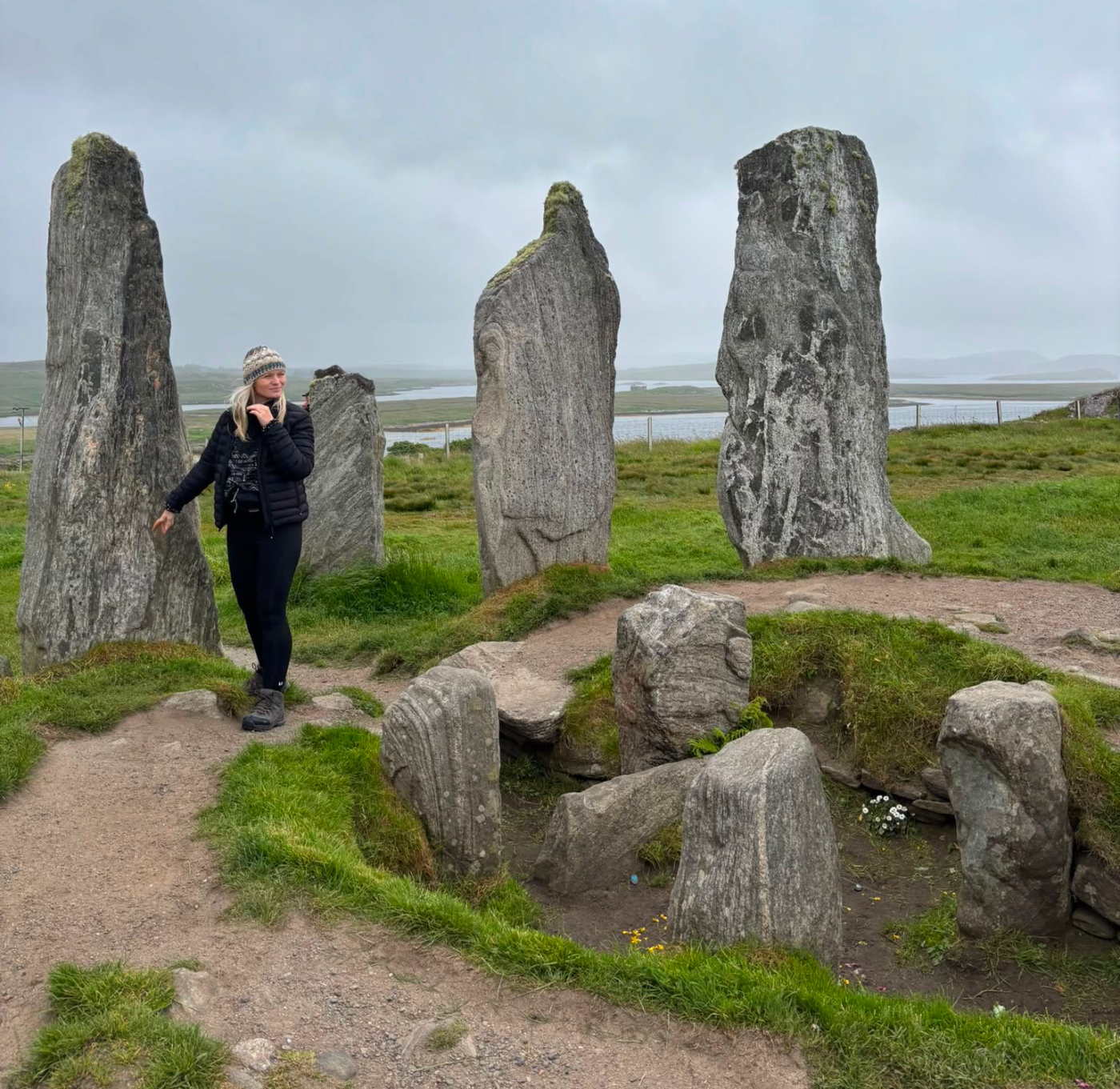
Finally, no exploration of Britain’s feline shadows would be complete without the chilling legend of the Black Witch’s Cat. In the dark heart of the 17th-century witch trials, particularly throughout the Pendle Hill region and the rugged coastlines of Devon, it was whispered that a witch’s “familiar” was no mere pet, but a shapeshifting entity. These cats were said to grow to the size of wolves under the light of a full moon, acting as sentinels that guarded the ancient stone circles where their mistresses gathered. Local lore suggests these weren’t just spirits, but physical beasts that never truly left—sentries left behind to prowl the moors long after their owners were gone.

Today, the pull of the UK’s most “haunted” landscapes remains irresistible for those chasing the thrill of the unknown. From the misty peaks of the Peak District to the desolate, windswept stretches of Dartmoor, there is a unique, spine-tingling magic in visiting places where the veil between history and myth is thin. While the risk of a confrontation is low, the chance of spotting a pair of amber eyes reflecting your torchlight in the thicket is enough to keep any hiker’s heart racing.
Whether they are the descendants of Victorian menageries or the spectral guardians of old, the big cats of Britain remind us that even in our modern world, the wild hasn’t been fully tamed. So, lace up your boots and bring your binoculars—just remember to keep a watchful eye on the treeline!
Until next time dear friends x