Royal Alchemy and British Chocolate a Brief History
We take you to 5 haunted cocoa shrines and beyond – the bright foil and festive bows lies a history steeped in ritual, secret societies, and the “food of the gods”—a journey that transforms chocolate from a simple supermarket treat into an ancient relic of mystery and power, discover some of the history of British chocolate
To truly understand why the UK is obsessed with this dark elixir, one must look past the factory gates and into the shadows of the past. Centuries before it was molded into Santa shapes, cacao arrived on our shores as a mysterious, “heretical” substance that baffled the Church and intrigued the Royal Court. In the mist-heavy corners of the British Isles, this “black gold” found a strange new home. It wasn’t just a snack; it was a medium for Quaker social experiments, a hidden ingredient in royal medicine cabinets, and a symbol of secret festive traditions that date back to the burning of the Great Yule Log.
To find the heart of this mystery, you must travel to where the air still smells of toasted cocoa and the architecture hides symbols of a sugar-coated revolution.
Chocolate and the Festive Season
Chocolate has become a cornerstone of a British Christmas through a mix of religious folklore, Victorian industrialism, and 20th-century marketing. It evolved from an expensive luxury for the elite into a “treat for everyone” that signals the start of the festive season.
The “net of gold coins” at the bottom of a Christmas stocking is one of the oldest chocolate traditions. It is inspired by the 4th-century legend of St. Nicholas, who was said to have secretly dropped bags of gold coins down the chimneys of poor families,
As chocolate became more common in the 16th and 17th centuries, these “gold coins” were replaced by chocolate versions wrapped in gold foil, allowing parents to recreate the magic of the legend affordably.
The Victorians essentially “invented” the modern British Christmas. Before the 1800s, chocolate was a bitter drink for the wealthy. However, the Industrial Revolution changed everything. Companies began packaging their chocolates in beautiful, festive tins and boxes, marketing them as the “perfect” gift for children and loved ones. By the late 1800s, giving chocolate was seen as a sign of middle-class sophistication.
The tradition of the Bûche de Noël ( the yule Log) stems from the medieval practice of burning a massive wooden log in the hearth for 12 days to bring good luck.
As hearths got smaller and modern heating arrived, the “real” log was replaced by a symbolic chocolate-covered sponge cake, which remains a staple of the British Christmas dinner table.
While Advent calendars started as religious pictures in Germany, the Chocolate Advent Calendar took over the UK in the late 20th century. Cadbury began mass-producing them in 1971, turning the countdown to Christmas into a daily ritual of eating chocolate, further cementing the association between the two.

5 Great Places to Visit that Will Give You a Sugar Rush
1. York – The Chocolate City – A Hub of Industrial Giants & Sweet Secrets
York isn’t just a city with a rich Viking and Roman past; it’s practically built on chocolate. For centuries, it was the heartland of some of the UK’s most famous chocolate makers, whose innovations and Quaker values shaped the industry.
The York’s Chocolate Story – This interactive museum takes you on a journey through York’s chocolate history, from the early cocoa bean to the famous confectioneries of Rowntree’s (Kit Kat, Aero) and Terry’s (Chocolate Orange). You’ll learn about the Quaker families who built these empires and sample some delicious treats.
The Quaker families like the Rowntrees were known for their philanthropic efforts and their unique approach to business during the Victorian era. You can explore how their values influenced not only their products but also the social fabric of York.
The city itself, with its ancient walls and Snickelways, provides an amazing historical backdrop, where the “mystery” lies in imagining the bustling chocolate factories that once filled the air with sweet aromas, and the secrets behind their iconic recipes.
Step into the ‘Chocolate City’ of York, where every cobbled street whispers tales of Quaker pioneers and the birth of beloved British sweets. Discover how ancient city walls guard the secrets of Kit Kat and Terry’s Chocolate Orange.
There are many boutique hotels within the city walls, offering a blend of history and modern comfort. Look for places close to the Shambles for an immersive experience.
2. Bournville, Birmingham – Cadbury World & the Visionary Village
Bournville isn’t just a factory; it’s a testament to a unique social experiment and the enduring legacy of the Cadbury family. It offers a deep dive into the story of one of the world’s most beloved chocolate brands.
Cadbury World: An immersive attraction dedicated to the history of Cadbury chocolate. You’ll learn about the origins of cocoa, the Cadbury family’s journey, the making of their iconic bars, and even get to sample some warm liquid chocolate. There are rides and interactive exhibits.
The Bournville Village – This is where the true “mystery” and “ancient tradition” (of ethical living) lie. George Cadbury built Bournville as a model village for his factory workers, providing high-quality housing, green spaces, and facilities, free from pubs and excessive commercialism. It was a radical idea for its time, rooted in Quaker principles.
You can walk through the village, admiring the Arts and Crafts architecture and understanding the utopian vision behind it.
Beyond the Purple Wrapper, uncover the radical vision of the Cadbury family in Bournville, a chocolate-fueled utopia in Birmingham. Explore Cadbury World, then wander through the model village, where ancient Quaker values shaped a community as sweet as its famous chocolate.
While Bournville itself is more residential, there are excellent hotel options in Birmingham city centre, just a short train ride away, offering easy access to the village and other city attractions.
3. The Eden Project, Cornwall: Cacao Rainforest & Global Trade Routes
While not a traditional chocolate factory, the Eden Project offers a unique perspective on the origins of chocolate, linking it to ancient rainforest traditions and global trade.
The Tropical Biome (Rainforest Biome): Explore the lush rainforest environment where cacao trees (Theobroma cacao) are grown. You can see the cacao pods in various stages of ripeness and learn about the cultivation process
The Eden Project often has exhibits explaining the history of cacao, its significance in Mesoamerican cultures (Mayans, Aztecs), and the journey from bean to bar. They highlight sustainable practices and fair trade.
This is where you can connect chocolate directly to its ancient roots. Discuss the Mayan and Aztec use of cacao as a sacred drink, currency, and ritualistic offering. The “mystery” is in the transformation from bitter beverage to sweet treat. To truly understand why the UK is obsessed with this dark elixir, one must look past the factory gates and into the shadows of the past. Centuries before it was made into Santa shapes, cacao was a currency of the Maya, and said to be a sacred blood-substitute in Aztec sacrificial rites!
Explore how cacao travelled from the Americas to Europe, becoming a luxury item before its mass popularisation. Cornwall’s own maritime history adds a subtle layer to the story of global exchange.
Journey to the Heart of Chocolate at The Eden Project: Step into Cornwall’s Rainforest Biome to discover the ancient origins of cacao. Trace its path from sacred Mayan drink to beloved British bar, and uncover the mysteries of global trade that brought this ‘food of the gods’ to our shores.
There are numerous charming B&Bs and hotels in the nearby coastal towns of Fowey, Charlestown, and Mevagissey, offering beautiful Cornish scenery.
4. Aberfeldy, Scotland – The Highland Chocolatier – Modern Craft & Local Legends
Aberfeldy, nestled in the Scottish Highlands, might seem an unusual choice, but it offers a blend of modern artisan chocolate making with the dramatic landscape and rich folklore of Scotland.
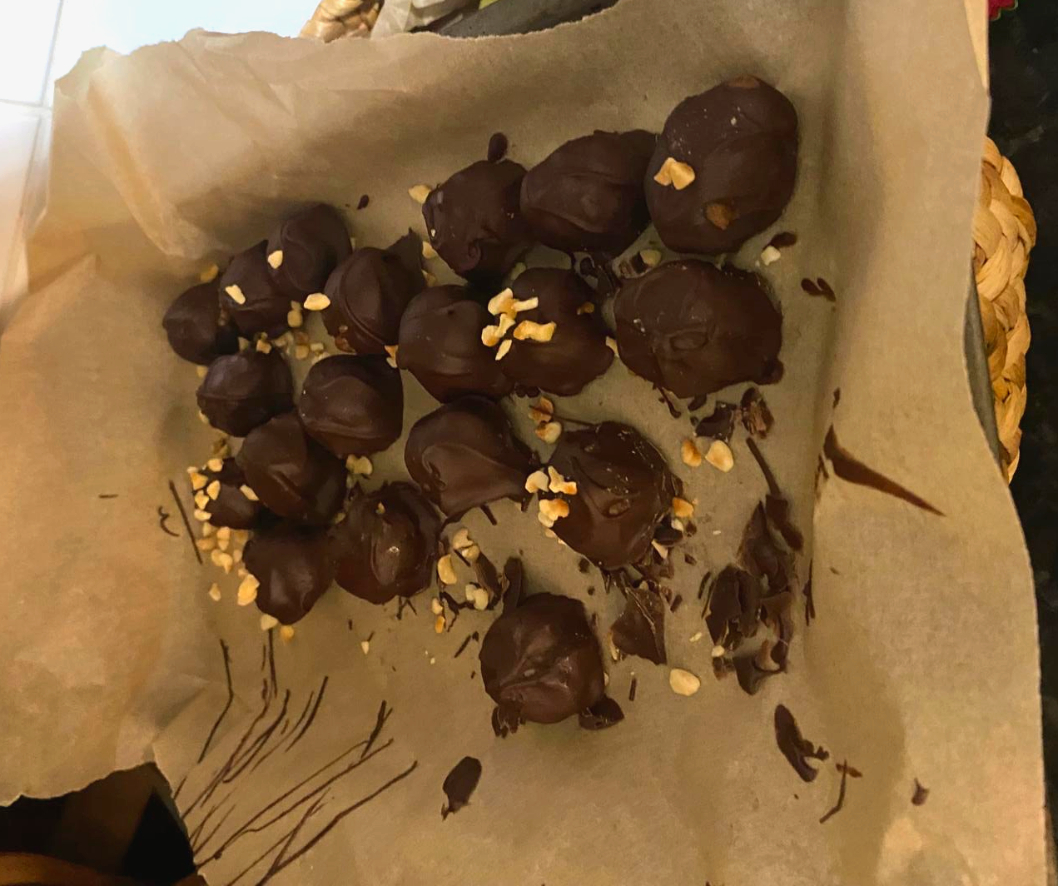
Visit the award-winning chocolate shop and workshop of Iain Burnett. You can learn about his unique “velvet truffle” technique, sample exquisite handmade chocolates, and perhaps even participate in a tasting session. This is about the craft of chocolate.
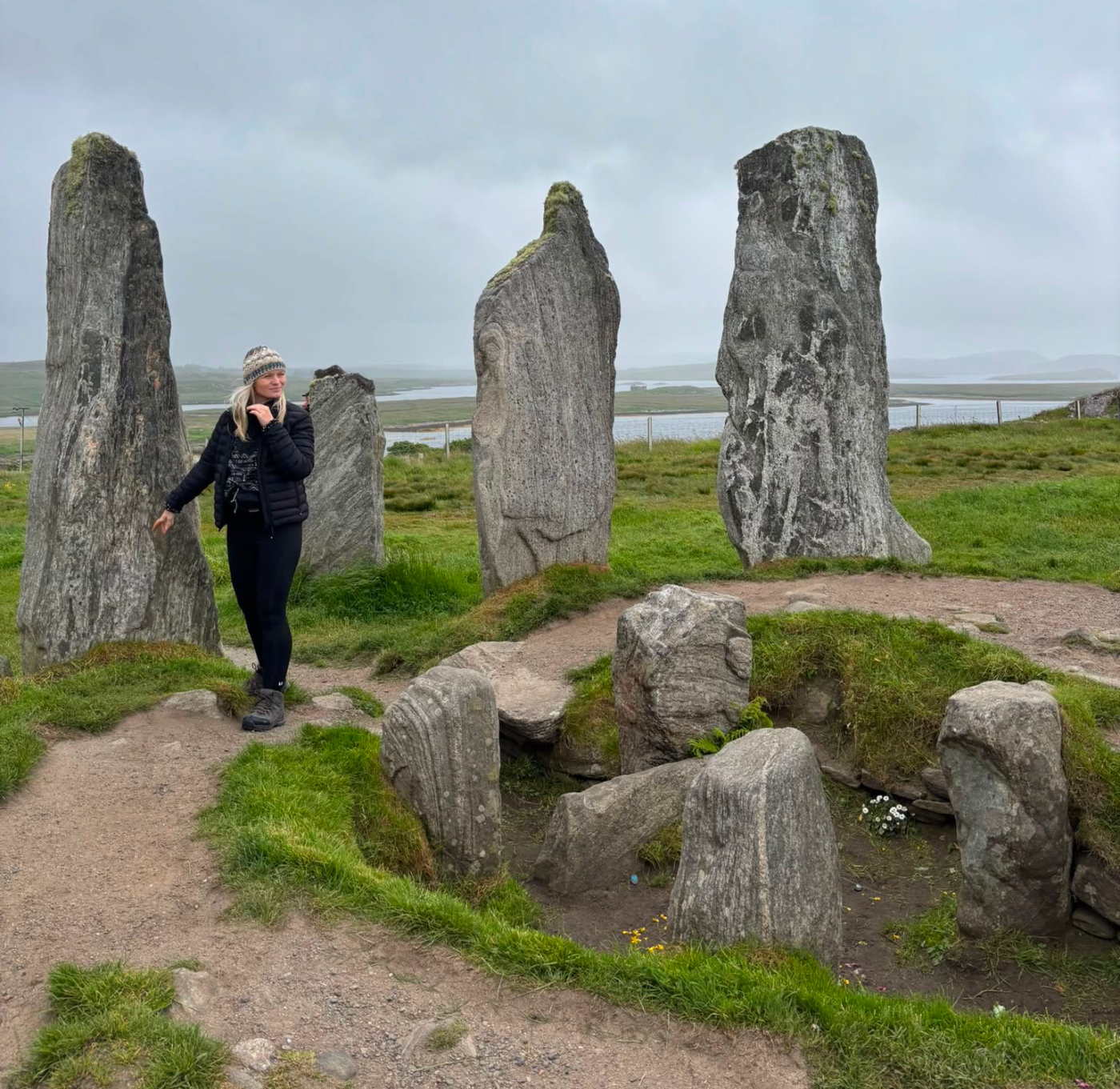
While not directly linked to chocolate’s ancient past, the Scottish Highlands are steeped in myths, legends, and ancient traditions. Imagine enjoying these luxurious chocolates by a roaring fire, while listening to tales of ancient clans, faeries, and mythical creatures. There is real mystery here, and it is here that the evocative power of the landscape can inspire modern artistry, like chocolate making!
Indulge in Highland Magic – Scotland is also famous for whiskey. Many artisan chocolatiers in the Highlands offer whiskey-infused chocolates, blending two iconic Scottish traditions.
Aberfeldy and the surrounding Perthshire region offer charming guesthouses, lodges, and hotels, perfect for exploring the Highlands.

5. London – The History of Chocolate Houses & Royal Indulgence
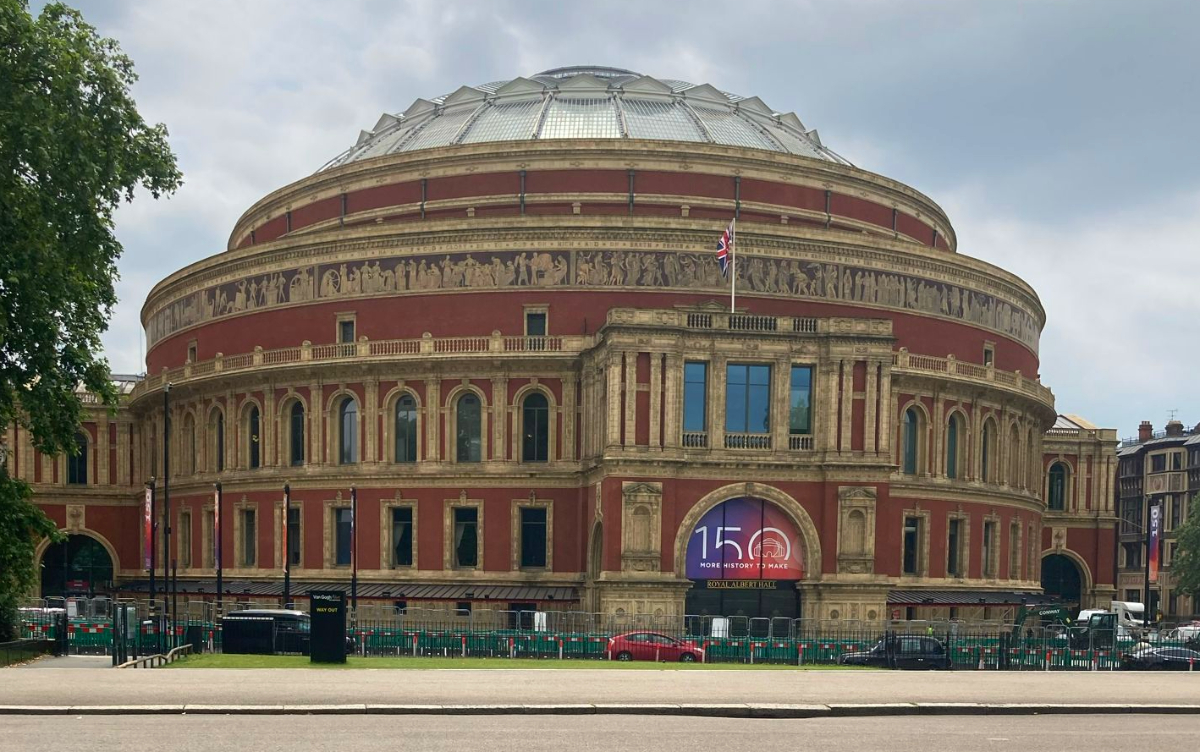
London’s history with chocolate dates back to the 17th century when it was introduced as an exotic, expensive drink for the elite, consumed in exclusive “chocolate houses” that predated coffee houses.
St. James’s, Piccadilly, and Fleet Street, offer walks and tours. While no original 17th-century chocolate houses remain, you can visit buildings that once housed them or were near them. Imagine the wealthy patrons indulging in this new luxury.
London is home to many high-end chocolatiers like Fortnum & Mason, Charbonnel et Walker (one of the oldest in the UK), or Rococo Chocolates, which continue the tradition of luxury and craftsmanship.
Chocolate was initially a drink for kings and queens. Explore its connection to the British monarchy and the aristocracy, linking it to the pomp and ceremony of court life. The “mystery” is in the exclusive, secretive world of these early chocolate houses, where politics and gossip were as rich as the cocoa. London’s elite used to drink “medicinal” cocoa mixed with ambergris (also called dragon spittle or floating gold -this is a kind of waxy substance found washed up on beaches or floating in the sea from a sperm whales intestines!)and use gold leaf! …. Yummm.

Chase the Chocolate Trail
As you unwrap your next bar of gold-foiled chocolate or “whack” that iconic orange this Christmas, remember that you aren’t just eating a sweet—you are partaking in a centuries-old ritual born of alchemists, visionaries, and kings. From the hushed, bell-ringing streets of Bournville to the mist-drenched glens of the Highlands, the UK’s landscape is etched with the dark fingerprints of a cacao-obsessed past.
Join the Hunt– Which of these “Chocolate Shrines” will you visit this winter? Pack your bags, bring your appetite for the unknown, and prepare to see the British Christmas in a whole new, velvet-dark light.
Before I go – Did you know? In York, some locals claim that the scent of roasting cocoa still drifts through the air on certain cold December nights near the old Terry’s factory—even though the vats have been cold for years. They call it the “Ghostly Roast.”
Until next time dear friends x It’s easy to share……………………