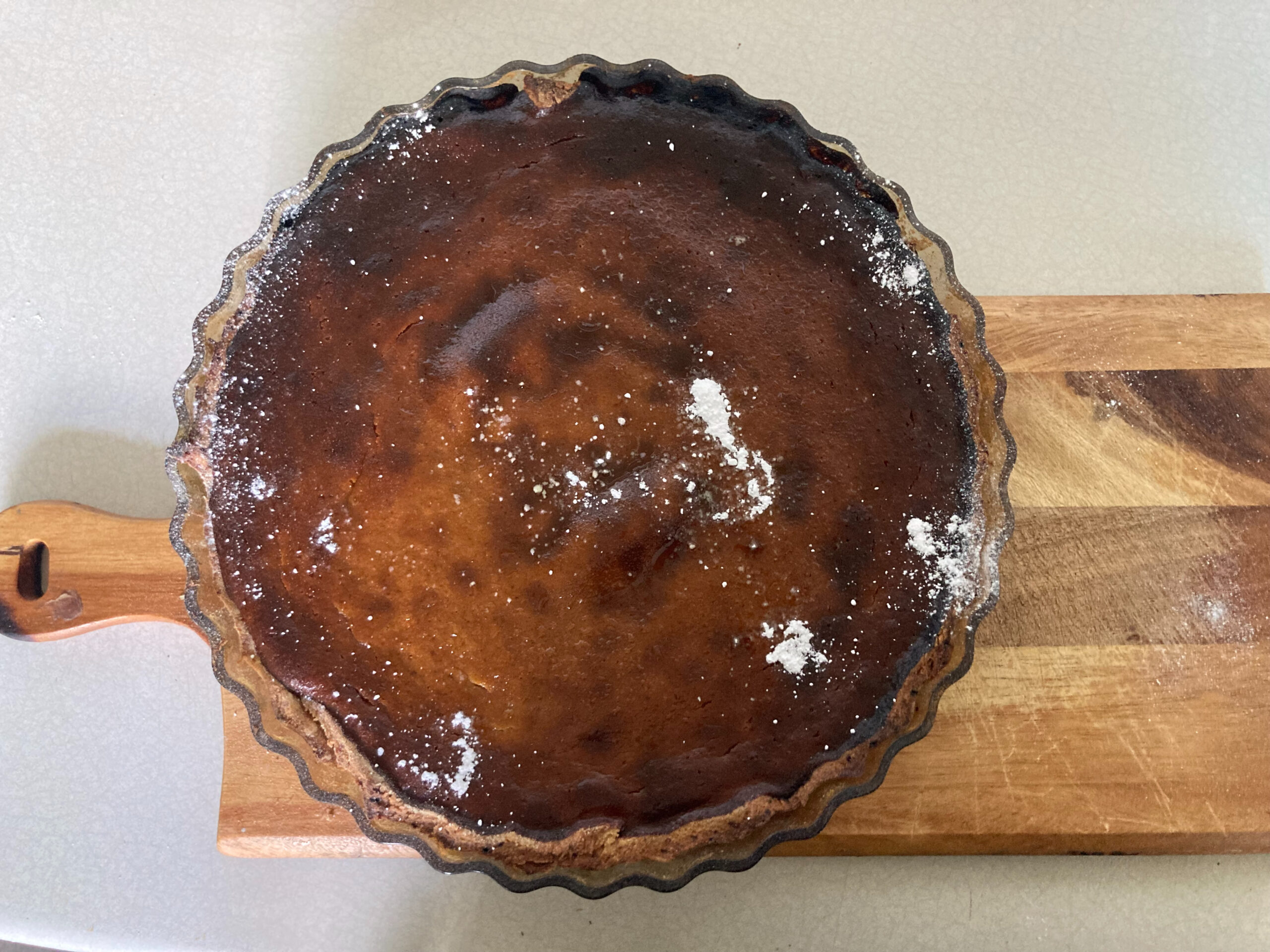
The British Pudding – love it or hate it, it has a rich tapestry of history.
The British Isles are a patchwork of unique culinary traditions, and nowhere is this more evident than in the world of puddings. From the Spotted Dick (what a name!) of England, to the Clootie Dumpling of Scotland, each region has its own claim to fame, leading to friendly (and sometimes not-so-friendly) “Pudding Wars”, something that has now died out.
These events used to be a celebration of the humble pudding but an appreciation too of that not so humble way it made its way from a useful, filling ‘soup’ to a delicious and elegant main meal.

In this post we will explore these regional rivalries, examining how geography, local produce, and historical events shaped the distinct pudding traditions of England, Ireland, Scotland, and Wales.
From a simple bowl of food made with whatever was on hand to more complex Roman and medieval pottages, these early “puddings” were primarily savoury. They were often made with meat, grains, and dried fruit. The Latin term for sausage, botellus, also referred to a type of early pudding.
The roots of the British pudding lie in the period after the Norman Conquest, when more traditional peasant cereal dishes began to be refined by cooks (usually men – we’ll do that in another blog post) from northern France, who would often reintroduce ideas that had originally come from the Romans a thousand years ago and had died out in Britain in the ‘dark ages’.

The original pottages, a staple for both the poor and the wealthy, were simple mixtures of grains softened with water or milk and flavoured with either meat, spices, or something sweet. Over time, these thick broths became more refined. By the 14th century and beyond, cooks developed the more elaborate ‘sausage’ style of pudding. Ingredients like suet and cream began to appear, alongside thickeners such as handmade nut milks or breadcrumbs. The technique of stuffing these mixtures into skins—creating sausage-like puddings—became increasingly sophisticated. Cooked over an open fire, these early puddings eventually gave way to the richer, thicker pottages that evolved into beloved desserts like Christmas pudding, plum pudding, and rich mincemeat, which were typically steamed or baked.

Great houses lived in by wealthy landowners or the Lord of the Manor had the advantage of bread ovens over open fires and soon added to the development of the pudding, which could now become something firmer.

These households experimented with milk puddings, batters, and boiled puddings. At this time savoury and sweet were mostly mixed together but as the centuries unfolded meat puddings and sweet puddings came into their own right with regional dishes becoming popular – reflecting the historical importance in people’s culture, traditions, creativity and making the most of their local ingredients.
5 Traditional UK Puddings (out of hundreds!)
- Dock Pudding – An old pudding still made by some today – This is a savoury pudding made with bacon and a traditional herb called Bistort ( Bistortia Officinalis) which is related to the dock leaf (HERE For ID) Was once popular in West Yorkshire, more over The Calder Valley. Are you interested in UK herbs – read our post here
- Newcastle Pudding – Topped with cherries this steamed pudding was similar to St. Stephens pudding but that made with apples – both popular in early Victorian times.
- Irish Potato Pudding – I’ve heard this simple potato ‘loaf shaped’ pie made with potatoes, lemon juice, salt, eggs and plenty of butter was traditionally served at Halloween but a simple potato pie I’m sure was useful food in Ireland in the 18th century.
- White Pudding – A good stable in Scotland and popular today – This pudding is similar to Black Pudding but without the blood. White pudding consists of suet, oatmeal or barley and is a savoury pudding; great in a fry up!
- Beesting Pudding – A kind of a thick custard and is still a favourite in many parts of Wales; varying recipes from district to district this pudding also known as Pwdin llo bach pudding, or Calf’s Pudding – as the milk used is from the second or third milking after a cow has given birth.
Changing Tastes
As we know with the advent of fast foods and changing tastes regional dishes albeit a’plenty in the UK are not as popular as they once were. Today there is food everywhere; where in the past when food was hard to come by and maybe you could not have relied on a meal every day I feel you might have been more grateful for these well – experimented, time honoured treats.
Having said that, what would Christmas be without the Christmas Pudding? Even if it is only to set on fire, much to the amazement of the kids? Or what about the horrors of black pudding? When you tell the young kids of today it’s made with the blood of a pig! The black pudding is the world’s oldest ‘sausage, apparently there is a recipe for it from the 4th century when the Romans were here somewhere. And it seems the monks that came to Britain from Europe were keen on it too; it went by the name of ‘blutwort’ meaning blood sausage.

In the 1980s, an annual festival in Ramsbottom, Greater Manchester, celebrated the War of the Roses—the 15th-century conflict between the Houses of Lancaster and York. This fun rivalry was symbolically continued with a black pudding throwing competition. Legend has it that the soldiers of the time, having run out of traditional ammunition, would hurl whatever food they had left to defeat their enemies.


There used to be pudding festivals up and down the country, in Wales, Ireland and Scotland – why not? who doesn’t love puddings? and they have all played a big part in shaping each county of the UK with swapping, trading ingredients, refining recipes, and crafting what they can from local ingredients, seasons have played a part, and the use of fruit available to some regions have resulted in some spectacular recipes.
Just think of –
The Apple Charlotte – Said to be called after Queen Charlotte, George III’s wife, who was the patron of Apple Growers. This beautiful, baked creation has been popular since the 1800’s, and when fresh from the oven golden crisp with stewed sweet apples inside.
Sticky Toffee Pudding – now the UK’s favourite but once a simple brown bread pudding now has influence of maple syrup and dates from the middle east! I’ve never really had a sweet tooth but prefer a savoury pudding.With no shortage of choice puddings can be found in all corners of the UK. Recipes are everywhere for these savoury or sweet treats but you’ve got to know how to cook to make them!
5 once most Popular Puddings – Sweet and Savoury
Bread and Butter Pudding – A classic dish from the Victorian era, easy to make and delicious with ice-cream
Bedfordshire Clanger – A complete meal in one, filled one side with savoury – then bite through to the other end which is sweet so main and desert all in one! Something like this would have been handy if you were working in the fields all day and convenient to carry.
Summer Pudding – Layer a pudding bowl with white sliced bread and pour into it a tonne of soft fruit sprinkled with sugar and a few spices, topped with more bread and let stand overnight and it should be firm enough to tip upside down then cut to eat – hey, no cooking!
Trifle – there are all sorts of fillings for trifles – just top with jelly, custard and cream.
Steak and Kidney Pudding – Most people now are not interested in the kidney bit of this pudding any more but would have been very popular at one time.
Apple Bolster – Bolster meaning – looking like an old fashioned long pillow – A kind of suet pudding resembling a Roly-Poly which was also very popular but filled with jam instead of apples and usually served with custard or cream. A bit like a hot swiss roll.

A lot of these puddings were celebrated with local and regional events but sadly now on the decline. The black pudding throwing competition in Lancaster is now cancelled as are many others, now taken over by more general food festivals or eating challenges or recipe competitions. This I think is because we can all now enjoy each other’s regional fayre, transport links, trade and economy have changed.
But not too long ago the regular seasonal sights of pancake flipping (a kind of a pudding), Yorkshire pudding (popular with the ‘Sunday’ dinner, this crispy little ‘bowl’ could be filled with a sweet or savoury mixture of your liking) throwing, and the *‘Address to the Haggis’ (which was not a race as such but a mixture of poems and songs sung to the haggis!) – which is Scotland’s national dish, would have been commonplace.
Pudding traditions have deeply shaped the cultural identity, culinary history, and social life of England, Scotland, Wales, and Ireland. These traditions reflect each nation’s history, available ingredients, and unique cultural practices. They are more than just food; they are symbols of identity, community, and celebration.
In 1786 Robert Burns, Scotland’s national Poet, wrote a poem about a pudding! The pudding in question is the Haggis which is made from the heart, liver and lungs of a sheep mixed with onion, suet, spices and oatmeal. On the 25th January Brun’s night is celebrated – all with a ‘wee dram’. The pudding at the time was gratefully received as a firm sausage-like dish rather than a pottage type meal.
And I’m guessing Rabbie (as he’s known) Burns must have loved this dish, He penned a poem to it ‘Address to the Haggis’ and in Scotland the celebrated man is remembered every year on ‘Burns Night’ where singing, dancing and celebration is made to the Haggis.

“Old Scotland wants no watery stuff, that splashes in small wooden dishes; but if you wish her grateful prayer, give her a haggis!”
Robert Burns – An Extract from the poem – Address to the Haggis
Today there is usually some sort of pudding on a restaurant menu, but our traditional pudding which has seen many transformations, is in some form still with us, and better; as we now have tarts, pies, pastries, cakes, custards, creams, and fools, all from the humble pottage.
You might like to know there are ‘pudding clubs’ in your area and up and down the country but The Pudding Club at the three Ways House Hotel in the Cotswold’s offers up a deep culinary tradition of having your pudding and eating it by way of an evenings entertainment with as much pudding as you can eat to the noise and ceremony one can address to a pudding!
HERE – The Pudding Club
Until next time dear friends x