Neolithic Sites Guide of the UK and a Tonne of Reasons Why to Visit
Excuse the weight joke but these sites are not only weighty in size, but a force of nature!
Here we explore five significant Neolithic sites in the UK, and some very good reasons they are well worth a visit. If you’ve been before or haven’t in a long time, or maybe it’s a first for you, there is plenty to see and learn.
If you are looking to take the family camping or considering camping alone, just for you I have created 2 must have camping lists – one for essential camping, and the other if maybe you want a few luxuries so your camping experience will be a perfect memory when visiting these historic sites.
If camping is not your thing, never worry there are always plenty of hotels, B&B, or other wonderful accommodation to offer in the UK.
Content
- Haunting sights of the UK’s Neolithic sites
- List 1 – Necessary Camping Equipment
- List 2 – Not Necessary Camping Equipment!
- The Neolithic Period in the UK and How People Travelled Explained
- How did the Neolithic People Travel in the UK?
- Journey the Path of the Neolithic People
UK’s Neolithic sites
1. Stonehenge, Wiltshire, England
Perhaps the most famous prehistoric monument in the world, Stonehenge, is a glorious ring of standing stones set within earthworks (a large artificial bank of soil, usually used for fortification). Construction began in the late Neolithic period, around 3000 BC, and continued into the Bronze Age.
The purpose of Stonehenge is still debated, but it is by some believed to have been a ceremonial site with astronomical alignments, particularly with the solstices (the longest and shortest days of the year) At Stonehenge you can see the large Sarsen Stones and smaller Bluestones which were transported from significant distances; showcasing remarkable engineering and social organization. The surrounding landscape is also rich in Neolithic and Bronze Age monuments, including burial mounds and other earthworks.
Visit and witness a World Heritage site, this immense place of historical and cultural significance is recognized globally for its outstanding universal value.

Connect with the past and stand in the presence of a monument built by Neolithic people thousands of years ago, getting a sense of connection to ancient human history and ingenuity. I remember my first visit, I was just a child, and at the time we were allowed to climb all over the stones. I really did not appreciate any of the history but it was a great day out. I remember the picnic mostly!

We did as a family camp a lot then, camping has changed so much, there are lots of luxuries you can take now-a-days that make the whole experience more enjoyable. But if you are going basic (I have put together for you a list below of essential equipment you might need) you can get back in touch with the earth, feel the ground beneath your feet, and gaze at the stars, and there is no traffic; experience what it would have been like to be a Stone Age person.
The incredible feat of engineering and logistics involved in transporting and erecting the massive stones with only primitive tools is something to contemplate while you are putting your tent together, and star-gazing. You might like to consider the various theories surrounding the purpose of Stonehenge, from astronomical observatory to religious sanctuary, sparking your imagination about the beliefs and rituals of Neolithic society.

Explore a Rich Landscape – Discover the numerous other prehistoric monuments in the surrounding area, providing a broader understanding of the Neolithic and Bronze Age landscape.
2. Avebury, Wiltshire, England
Located about 24 miles north of Stonehenge, Avebury is another impressive Neolithic henge and stone circle complex. It contains the largest stone circle in Europe, encompassing the village of Avebury. The site includes several other significant monuments, such as the West Kennet Long Barrow, Silbury Hill (the largest artificial prehistoric mound in Europe), and the Kennet Avenue, a processional route lined with stones. Avebury was built and used during the Neolithic and early Bronze Age, roughly between 2850 and 2200 BC.
Just experience the scale and be awestruck by the sheer size of the main stone circle and the surrounding earthworks, which are far more extensive than Stonehenge.
Walk Among the Stones – Unlike Stonehenge, visitors can freely walk among and even touch the Avebury stones, offering a more intimate experience.

Explore Diverse Monuments and discover a variety of Neolithic structures within a relatively close area, including a long barrow and the enigmatic Silbury Hill.
Appreciate how the Avebury monuments are integrated into the natural landscape, suggesting a deep connection between the people and their environment.
Enjoy a Less Crowded Experience – Compared to Stonehenge, Avebury often attracts fewer visitors, providing a more tranquil and reflective visit. And if you fancy camping but being more prepared and looking for a more luxurious way of doing things – I have put together some ‘non-essential’ equipment you might like to take -list below.
Want to know more? HERE
3. The Heart of Neolithic Orkney, Scotland
This UNESCO World Heritage Site encompasses a group of remarkably well-preserved Neolithic monuments on the Orkney Islands. The key sites include –
* Skara Brae: An exceptionally preserved Neolithic village dating back to around 3180-2500 BC, offering a unique glimpse into the daily lives of Neolithic people. The stone-built houses with their original furniture provide an intimate connection to the past.


* Maeshowe – A chambered cairn and passage grave with sophisticated architecture and a winter solstice alignment. Viking graffiti within the tomb adds a later layer of history.
* The Stones of Stenness – The remains of a large stone circle, with four remaining upright stones that were part of a much larger complex, dating back to at least 3100 BC.

* The Ring of Brodgar – A large stone circle and henge, originally with 60 stones, situated on a narrow isthmus (a narrow strip of land with water on each side) between two lochs. It is believed to have been a significant ceremonial site.

Witness Unparalleled Preservation – Explore Skara Brae, the best-preserved Neolithic village in Europe, and gain a vivid understanding of domestic life in the Stone Age.
The architectural sophistication here are to be marvelled at, and the advanced construction techniques evident in Maeshowe, includes its precise alignment with the winter solstice.

Explore a sacred landscape and discover the powerful atmosphere of the stone circles at Stenness and Brodgar, imagining the rituals and gatherings that once took place there.
Pay a visit and get to understand more about this unique cultural Hub, learn about the distinct Neolithic culture that flourished in Orkney, leaving behind these extraordinary monuments.
Enjoy this stunning natural setting, the dramatic landscapes of Orkney provide a breathtaking backdrop to these ancient sites, enhancing the overall experience, and allowing you time to soak up the past and feel the elements. Hopefully you don’t pick a cold, rainy day, but trust me that won’t be hard!
Want to know more? HERE
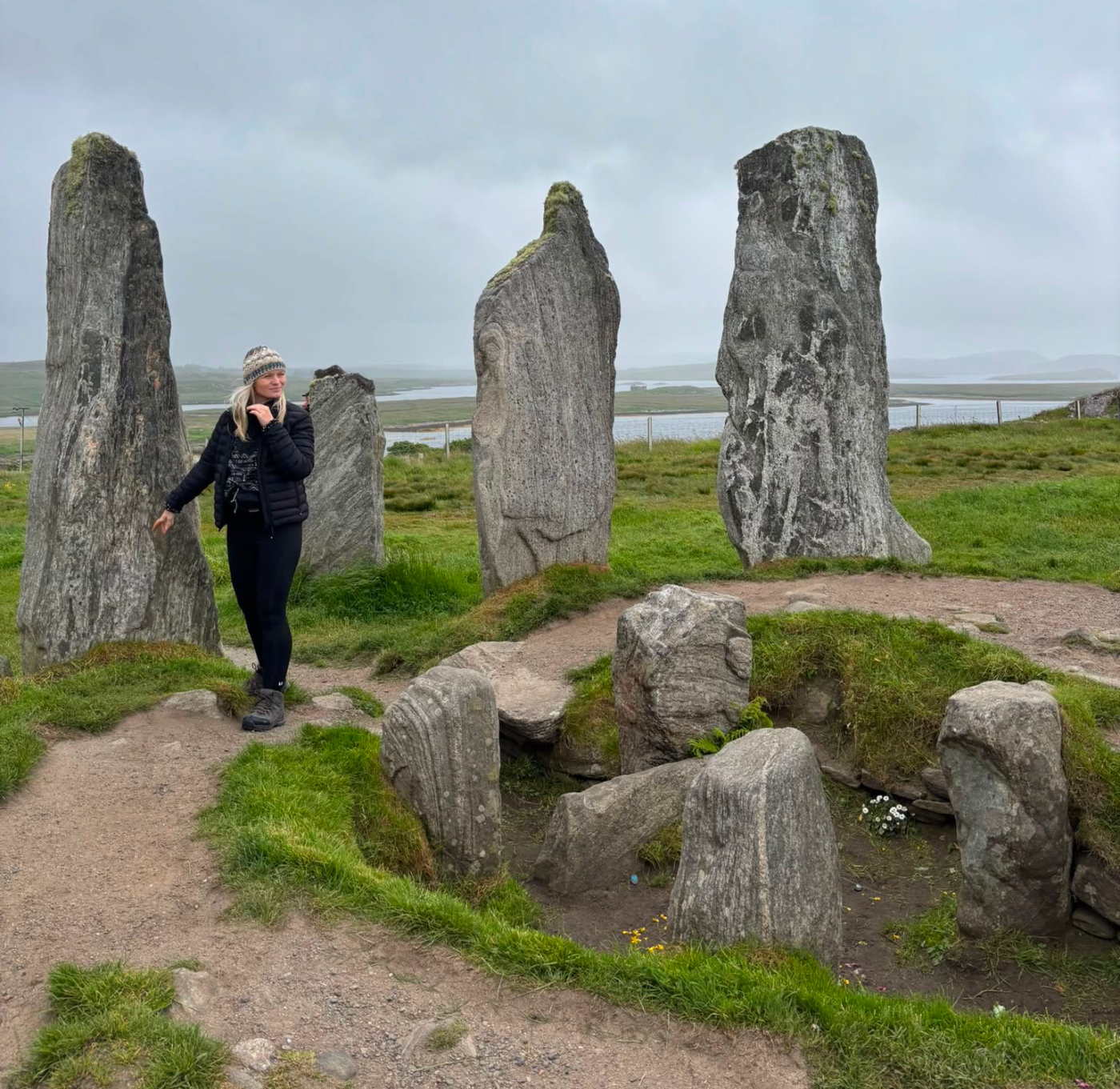
4. Castlerigg Stone Circle, Cumbria, England
Located near Keswick in the Lake District, Castlerigg is one of the earliest stone circles in Britain, believed to have been constructed around 3200 BC. Believed to be about 700-900 years older than Stonehenge. It comprises 38 stones, including a rectangular setting within the circle. The circle is dramatically situated amidst the mountains, creating a powerful and atmospheric setting. Its original purpose is unknown, but theories suggest it may have been a meeting place, a site for rituals, or related to trade from the nearby Langdale axe industry.
Experience a Dramatic Location – Enjoy the stunning panoramic views of the surrounding mountains of the Lake District, which amplify the sense of mystery and ancientness of the site.
Witness an Early Stone Circle – See one of the oldest stone circles in Britain, providing insights into the early megalithic traditions and feel the Atmosphere. Watch the sheep poo though – it’s everywhere!

The relatively remote location and the circle’s structure create a palpable sense of history and a connection to the past. However you can enjoy Easy Access, the site is relatively accessible, making it a straightforward visit for those exploring the Lake District. Trust me though parking near is a little frustrating and very limited, why not consider a bus to the site? It took me about 30 minutes to walk from Keswick and was easy to find. But if you go on a busy day, drive around a couple of times and you should be able to park up somewhere for free.
Why not sleep under the stars or take a tent and consider astronomical alignments and observe the possible alignments of the circle with celestial events, sparking curiosity about Neolithic astronomy and beliefs.

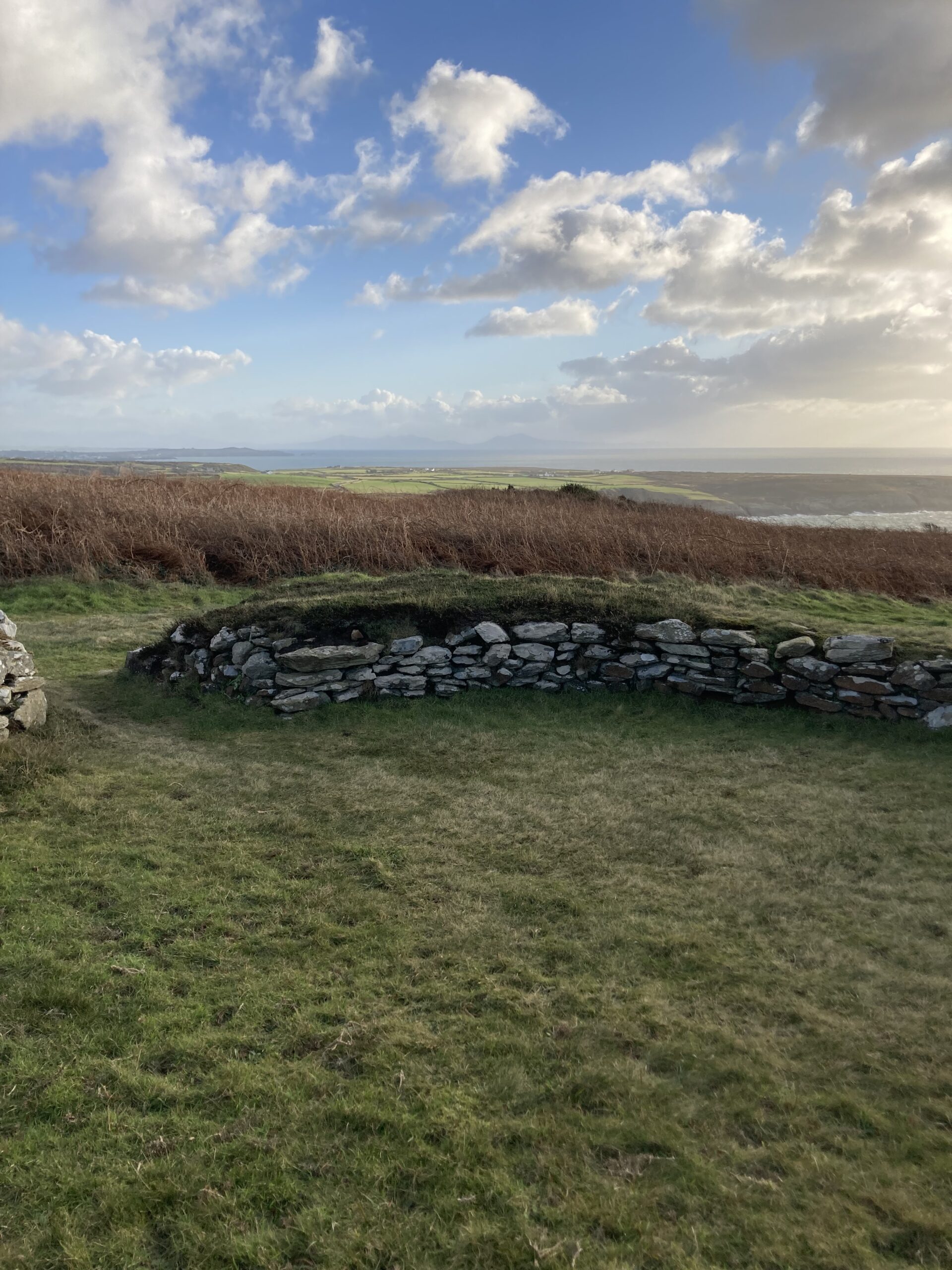
5. Bryn Celli Ddu, Anglesey, Wales
Bryn Celli Ddu, meaning “the mound in the dark grove,” is a Neolithic passage tomb dating back to around 3000 BC. The site originally included a stone circle, which was later dismantled to build the tomb. A unique feature is a carved “pattern stone” found within the burial chamber. The tomb is also known for its alignment with the summer solstice sunrise, when sunlight enters the passage and illuminates the burial chamber. A replica of the pattern stone is placed in the chamber to allow visitors to see the carvings.
Explore a Passage Tomb, venture into the interior of a Neolithic burial chamber and experience a type of monument central to Neolithic funerary practices.
Why not witness a Solstice Alignment and learn about the deliberate astronomical alignment of the tomb, highlighting the importance of celestial events in Neolithic culture.
When you visit you’ll see Neolithic Art and observe the replica of the carved pattern stone, offering a rare glimpse into the symbolic art of the period.
Here you will discover a site with multiple phases, meaning how the site evolved from a stone circle to a passage tomb, reflecting changing beliefs and practices.
Enjoy the Welsh landscape and explore the beautiful island of Anglesey, which is rich in prehistoric sites and stunning coastal scenery (Anglesey also offers the chance to visit children’s activities, food fayres, music and agricultural events) throughout the year.
Visiting these Neolithic sites offers a unique opportunity to connect with the deep history of the United Kingdom, marvel at the achievements of prehistoric people, and to ponder the mysteries of their beliefs and way of life. Each site has its own distinct character and offers a different perspective on this fascinating period of human history.
Ah, now to camping, and adventure awaits! Let’s get you sorted with a list of essentials and some delightful extras. Then, we’ll journey back in time to explore Neolithic travel in the UK.
List 1 – Necessary Camping Equipment
This list will provide you with all the things that are absolutely required to keep you safe and comfortable for a night out –
This list covers the absolute basics for a comfortable and safe camping trip
- Shelter
- Tent (appropriate size for your group)
- Groundsheet (to protect the tent floor from moisture and damage)
- Tent pegs and guylines
- Sleeping
- Sleeping bag (rated for the expected temperature)
- Sleeping mat or air mattress (for insulation and comfort)
- Pillow (inflatable or compressible)
- Cooking & Food
- Portable stove and fuel
- Cooking pot and pan
- Eating utensils (plates, bowls, cutlery, can be plastic or wooden)
- Mug or cup(s)
- Cooler or food storage containers
- Food (non-perishable options are best)
- Water bottles or hydration reservoir
- Water filter or purification tablets (if relying on natural water sources)
- Can opener and bottle opener (if needed)
- Rubbish bags
- Clothing
- Moisture-wicking base layers
- Insulating mid-layers (fleece or wool)
- Waterproof and windproof outer shell (jacket and trousers)
- Comfortable walking shoes or boots
- Socks (wool or synthetic)
- Hat and gloves (even in warmer months, evenings can be cool)
- Sun hat
- Navigation & Safety
- Map and compass (and the knowledge to use them) or GPS device
- Headlamp or flashlight (with extra batteries)
- First-aid kit (well-stocked)
- Sunscreen and insect repellent
- Whistle
- Multi-tool or knife
- Fire starter (waterproof matches, lighter)
- Other Essentials:
- Toiletries (toothbrush, toothpaste, soap, etc.)
- Toilet paper and trowel (for burying waste responsibly)
- Towel (quick-drying ones, not your fluffy type)
- Rucksack or backpack (to carry your gear)
- Duct tape (for repairs)
- Rubbish bags

List 2 – This list is designed to give you a more luxurious (Not Necessary) Camping Experience
These items can certainly enhance your camping experience but aren’t strictly essential for survival or basic comfort
- Camp chairs and table
- Inflatable sofa or lounger
- Portable shower or solar shower
- Camp kitchen unit
- Dutch oven or other specialised cooking equipment
- String lights or lanterns for ambiance
- Portable power bank for charging devices
- Binoculars for wildlife viewing
- Camp games or entertainment (books, cards)
- Hammock
- Luxury sleeping bag liner
- Coffee maker or espresso maker
- Portable projector and screen for outdoor movies
However you like to spend the night, being lucky enough to have a choice is wonderful. To think about all the generations that have gone before us, and having to possibly make a shelter that day or even evening before they could get a bit of sleep always makes me grateful for my bed.
That said, a bit of camping is always great fun, if you are in a safe place. I remember camping with my parents and brothers and sisters once in the Brecon Beacons, Wales- we kind of spread from the camper van into a make-shift tent and hunkered down for the night. It was about midnight when we awoke to the sound and bright lights of several Police (Heddlu) cars, they wanted to know we were all okay as parking in a lay-by was not a good idea, especially when all our equipment and belonging apparently could be seen by anyone tucked under the camper van!
As far as I can remember a word of warning was enough and after they left we all just settled back down to sleep again to the sound of bleating sheep and a moderate wind.

The Neolithic Period in the UK and how People Travelled Explained
Now, let’s journey back thousands of years. I have always been interested in nomads and people who travel around looking for something. Imagine going back thousands of years before agriculture, and basic safety, food and support (community living) being met in one place. People would have to travel from place to place looking for these everyday requirements. Today we can choose to camp out then go back to our comfortable beds but back then there was no choice until farming, tools, money exchange and working all this out into community living became a thing.
The Neolithic period, also known as the New Stone Age, marks a significant turning point in human history in the UK, transitioning from a hunter-gatherer lifestyle to one based on agriculture and settled communities. This era roughly spans from around 4000 BCE to 2500 BCE.
Key Characteristics of the Neolithic Period in the UK-
- The Adoption of Agriculture – This is the defining feature. People began to cultivate crops (like wheat and barley) and domesticate animals (such as cattle, sheep, and pigs). This led to a more sedentary lifestyle as communities became tied to their land.
- The Rise of Settled Communities– While not entirely static, settlements became more permanent. Evidence of houses, often rectangular longhouses made of timber and wattle-and-daub, has been found.
- The Development of Pottery – The creation of fired clay pots allowed for cooking, storage, and transportation of liquids and food in new ways.

- The Construction of Monumental Architecture – This period saw the construction of impressive structures like causewayed enclosures (early gathering places), long barrows (burial mounds), and later, the iconic stone circles like Stonehenge and Avebury. These monuments likely served social, ritual, and possibly astronomical purposes.
- The Use of Polished Stone Tools – While stone tools were used in earlier periods, the Neolithic saw the development of more refined techniques, particularly polishing, which created stronger and sharper axes and other implements crucial for farming and woodworking.

- Early Forms of Trade and Exchange – Evidence suggests that certain materials, like flint for tools and specific types of stone for axes, were exchanged between different communities, indicating some level of interaction and travel.
How Did Neolithic People Travel Around the UK?
Travel during the Neolithic period was undoubtedly challenging and time-consuming compared to modern transportation. However, people were not isolated, and various forms of movement and connection existed:
- Foot Travel – This would have been the most common method. People would have walked along natural routes, animal trails, and potentially early trackways that may have developed over time. The landscape, with its forests, rivers, and hills, would have significantly influenced the paths taken.
- Water Travel – The UK is an island nation with numerous rivers and coastlines. Evidence suggests that boats, likely simple dugout canoes or hide-covered frames, were used for travel along waterways and potentially short sea journeys. This would have been particularly important for accessing resources, connecting coastal communities, and possibly for trade. The discovery of Neolithic axes made of stone from the Scottish Highlands in southern England, for example, hints at longer-distance travel, possibly involving coastal routes.
- Animal Transport (Later in the Period) – While the initial domestication of animals was primarily for food, it’s plausible that towards the later part of the Neolithic period, larger domesticated animals like cattle may have been used to carry loads, although direct archaeological evidence for this in the early Neolithic is limited. The development of more complex agricultural practices might have coincided with the early use of animals for transport.
- Following Resources – Hunter-gatherer elements likely persisted to some extent in the early Neolithic, and people would have moved to access seasonal resources, even as agriculture became more central to their lives. This could have involved short to medium-distance movements.
- Social and Ritual Journeys: The construction and use of monumental sites like Stonehenge and Avebury suggest that people travelled to these locations; possibly for ceremonies, gatherings, or to participate in communal activities. These journeys could have involved significant distances and may have been undertaken by large groups.
- Trade and Exchange Networks – The movement of raw materials like flint and stone indicates the existence of trade or exchange networks. While individuals might have travelled to acquire these materials directly, it’s also possible that goods were passed along between different groups over distances.
Challenges of Neolithic Travel
- Terrain – The UK’s landscape was heavily forested in many areas, with marshlands, rivers, and hilly regions presenting significant obstacles.In my other blog posts I talk about the ancient roads of the UK, you might like to read.
- Lack of Roads – Formal road networks did not exist. Travel relied on natural paths and any rudimentary tracks that may have developed through repeated use.
- Carrying Capacity – Moving goods and belongings would have been physically demanding, limiting the amount that could be transported.
- Navigation – Without sophisticated navigational tools, people would have relied on landmarks, natural features, and possibly a developing understanding of the stars for orientation.This took time to learn and older people in communities or ‘wise ones’ would have been very important.
- Safety – Encounters with wild animals, and potentially other groups could have posed risks to travellers.
Journey in the path of the Neolithic People
While Neolithic people in the UK did not have modern means of transport, they were certainly mobile. Foot travel and water travel were the primary modes of movement, facilitating access to resources, social interaction, and the exchange of goods and ideas across the landscape. The construction of monumental sites also implies significant journeys and the ability to organise and undertake large-scale movements of people. The Neolithic period laid the foundations for later developments in travel and communication in Britain and we are fortunate to still be able to walk their ancient routes and visit their burial and ceremonial sites.
It’s been estimated that the average person will move house up to 8 times in their lifetime in the UK; It seems we still have roaming in our blood.
Visiting these Neolithic sites offers a unique opportunity to connect with the deep history of the United Kingdom, marvel at the achievements of prehistoric people, and to ponder the mysteries of their beliefs and way of life. Each site has its own distinct character and offers a different perspective on this fascinating period of human history.
So as you explore or camp near these ancient landscapes, you are not just a tourist but a time traveller, tracing the very footsteps of our ancestors. These sites are not merely stone circles and burial mounds; they are echoes of a vibrant and dynamic past, reminding us that the human story is one of constant movement, curiosity, and the enduring quest to leave a mark upon the world. By walking in the path of the Neolithic people, we can better understand not only where we have come from, but also the fundamental human desires that continue to shape our journey today.
Until next time dear friends x