Discover the folklore, traditions and surprising uses of fungi throughout Britain’s past by journeying through the magical history of mushrooms.
Content
- History of Mushrooms
- 8 Common Mushrooms of the UK
- Things You Might Need for Mushroom Foraging in the UK * Safety and Navigation * Foraging Equipment * Other Useful Items
- Mushrooms for a Healthy Diet
- The Magic of Mushrooms
From ancient beliefs to modern marvels we will explore the magical connection between the landscape and its fascinating mushrooms (the fruiting body of fungi).
In this blog post we will unearth some amazing mushroom secrets, and I will provide you with 8 safe and easily identifiable mushrooms growing wild in the UK. We’ll talk about the safety checklist so you can get on, get out there, and enjoy some mushroom picking of your own.
You’re about to explore the fascinating history of mushrooms in the UK, intertwined with threads of magic and mystery.
History of Mushrooms

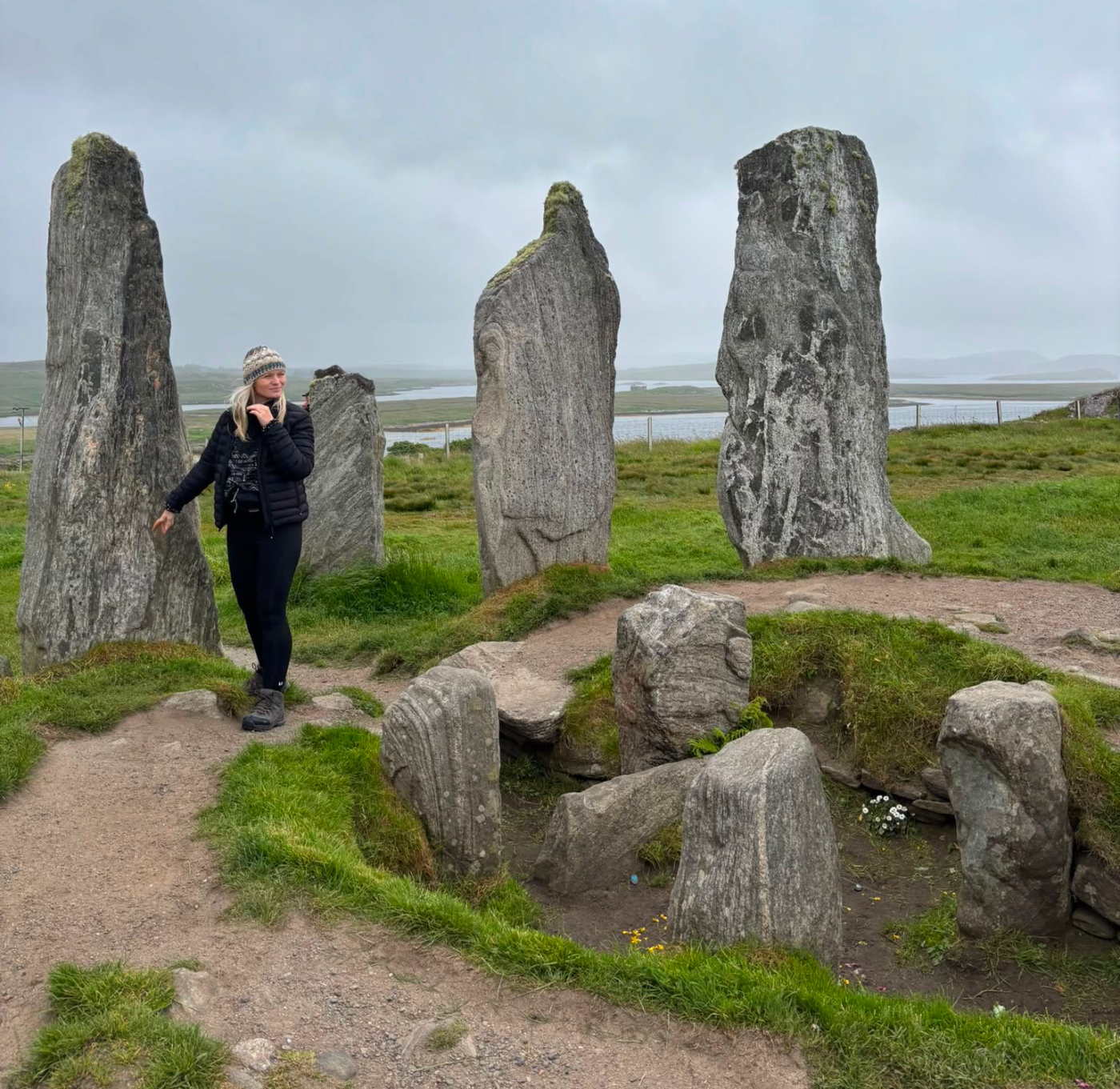
Mushrooms have been a part of the British landscape for millennia, long before recorded history. Evidence suggests that early inhabitants of the UK, like those who built Stonehenge, would have encountered and likely utilised wild fungi.
While direct archaeological evidence is scarce due to the perishable nature of mushrooms, there is some evidence to suggest from cave paintings (9,000 years ago in Algeria) that mushrooms have always been highly regarded.
But magic, folklore, and superstition surrounding fungi are deeply rooted in British history, and the whole of the UK is no exception.
Certain species, particularly the vibrant red and white Amanita muscaria (fly agaric), have long been associated with the realm of fairies, witches, and the supernatural. Their striking appearance and psychoactive properties likely contributed to these beliefs. Tales of “fairy rings,” circular patterns of mushroom growth, abound in British folklore, often attributed to dancing elves or portals to another world.

During the medieval period, knowledge of mushrooms would have been largely based on passed down stories and practical experience. While some toxic species were undoubtedly known and avoided, others would have been foraged for food and potentially medicinal purposes. Herbals and early medical texts, though not always accurate, sometimes mention the uses of certain fungi.

The scientific study of fungi, known as mycology, began to take shape in the 17th and 18th centuries. British naturalists started to document and classify the diverse array of mushrooms found across the country. This marked a shift from purely practical or superstitious views towards a more systematic understanding of these organisms.

The Victorian era saw a growing interest in natural history, and mushroom hunting became a popular pastime for some.

In more recent history, the role of mushrooms in the UK has diversified further. While foraging for wild edible species remains a popular activity for many, the cultivation of mushrooms, particularly the common button mushroom (Agaricus bisporus), has become a significant agricultural industry. Mushrooms are now a staple in the British diet, appearing in countless dishes.
Newsletter – 3 great mushroom dishes for you with my Autumn Newsletter
Furthermore, scientific research continues to uncover the potential of fungi in various fields, from medicine to bioremediation (a process that uses bacteria or fungi to clean up contaminated environments). The “magic” of mushrooms, in a modern context, is perhaps being rediscovered in their complex biochemistry and ecological importance, rather than solely in folklore.
So, from ancient foraging practices and mystical associations to modern cuisine and scientific exploration, mushrooms have indeed played a significant and multifaceted role throughout the history of the UK.
The story of the mushroom is a testament to the enduring relationship between humans and the natural world.

Below I have provided you with a guide on some of the safe mushrooms to eat in the UK. But as always please make sure you are fully aware that the ones you pick are safe, or better still go with someone that does, or pop along to a guided walk with an expert.
So mushrooms and toadstools belong to the fungal kingdom. There are about 4,000 species of larger fungi in Britain. These larger umbrella-shaped fungi, with a cap and stem are a popular term for those that are edible – and toadstool for those that are poisonous.
A fungus is not a plant; plants make their ‘food’ using the sun’s energy. Fungi need a food source – usually plant or animal, living or dead. The fungi enzymes dissolve the food externally from where it is absorbed. The Uk is covered in woodland that is a good source of food for the fungi; feasting off rotting wood, old tree stumps, leaves, and living trees.
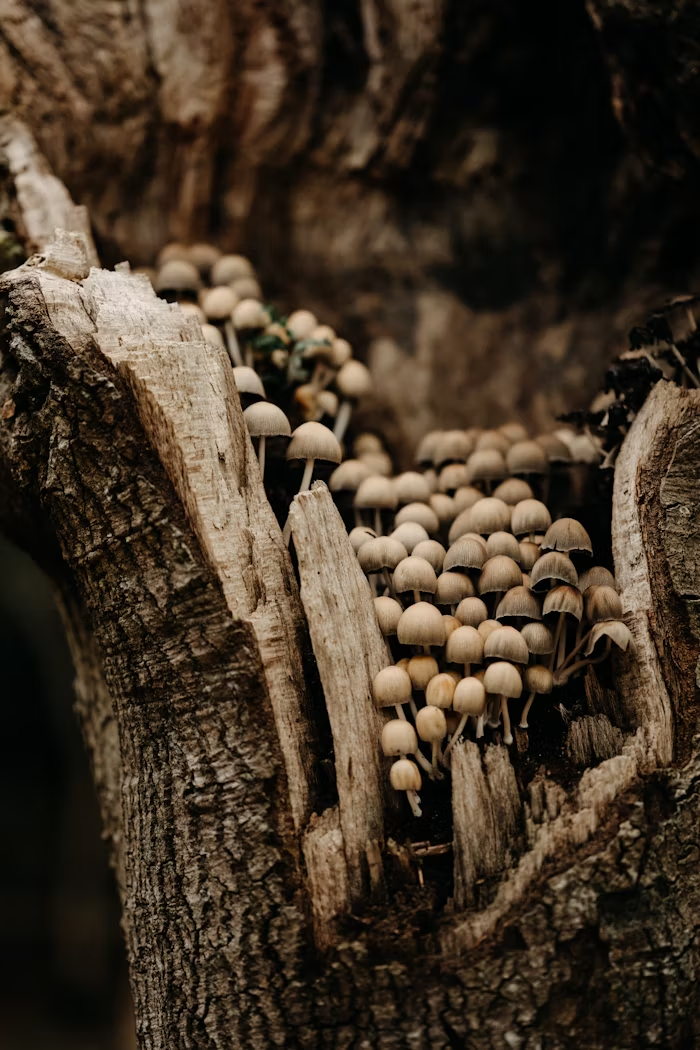
Although many species are edible: for many people, there are some who just can not tolerate these ‘fun guys’. And it’s just not worth the risk (best buy from the supermarket for safety purposes). Some species can cause allergic reactions or illness and death. These little fellows can be totally unpredictable and I do not recommend you eat anything without knowing how it might affect you.
That said mushrooms in times past have been a great source of variety and have provided a meal for our ancestors through time.
Throughout history mushrooms have offered a valuable source of food, sustaining our ancestors across generations. The importance of inherited knowledge and time-tested foraging locations can not be overstated.
8 Common Mushrooms of the UK
Here is a list of 8 commonly found mushrooms you might find in the UK.
The Penny Bun and the Chanterelle are highly prized finds. Just follow safe guidelines with picking, washing and identifying and if you are eating alfresco remember they are always better cooked in butter (to enhance the flavour) and Garlic (for its flavour and to blitz any bugs with its antimicrobial properties)
Want to learn more? HERE
Make sure the mushrooms you find come from the habitat they usually grow in. Carry a little brush for clearing soil, bits of stick or anything else that might be clinging to the mushroom. – washing with water can cause them to become soggy. And cook well and if you like it cook in minced garlic or other fresh herbs you have to hand. You might like to carry your own camp cooking
| Common Name | Scientific Name | Edibility | Typical Habitat(s) | Notes |
| Penny Bun/Cep | Boletus edulis | Choice Edible | Deciduous and coniferous woodlands, often under oak, beech, and pine | Prized for its flavour and texture. Look for its thick stem and brown cap. |
| Chanterelle | Cantharellus cibarius | Choice Edible | Deciduous and coniferous woodlands, often in mossy areas | Distinctive golden-yellow, fruity aroma, and forked gills. |
| Field Mushroom | Agaricus campestris | Edible | Grasslands, meadows, and pastures | White or pale brown cap, pink gills that turn chocolate brown with age. Avoid those with a yellow stain. |
| Oyster Mushroom | Pleurotus ostreatus | Edible | Decaying hardwood trees, often beech | Shell or fan-shaped, various colours (grey, white, brown). Grows in clusters. |
| Hedgehog Fungus | Hydnum repandum | Edible | Woodlands, both deciduous and coniferous | White toothed (spines) underside instead of gills. Nutty flavour. |
| Chicken of the Woods | Laetiporus sulphureus | Edible (for some) | Decaying or living hardwood trees, especially oak | Bright yellow-orange, bracket-like fungus. Some people may experience gastrointestinal issues. |
| Giant Puffball | Calvatia gigantea | Edible (when young) | Meadows, fields, and open woodlands | Large, white, ball-shaped when young. Must be pure white inside. |
| Shaggy Ink Cap | Coprinus comatus | Edible (when young) | Grassy areas, roadside verges, disturbed ground | Tall, white, shaggy cap that deliquesces (turns to black ink) quickly. Eat soon after picking. |
Things You Might Need for Mushroom Foraging in the UK

Safety and Navigation
- Reliable Identification Guide: A comprehensive guidebook specifically for UK mushrooms, ideally with detailed descriptions and clear photographs or illustrations. It’s best to have one that also highlights poisonous look-alikes.
- Mushroom Identification Apps (with caution): While helpful as a starting point, never rely solely on an app for identification. Use them in conjunction with a physical guidebook.
- Navigation Tools:
- Map (Ordnance Survey) – A good idea for navigating woodlands and knowing your location, especially in areas that might be new to you.
- Compass or GPS device/app – To help you stay oriented and find your way back.
- Whistle: For signaling in case of emergency.
- First-Aid Kit – A basic kit to treat minor injuries like cuts, scrapes, or insect bites. Include antiseptic wipes, plasters, and any personal medications.
- Mobile Phone (fully charged): For emergencies, but be aware of signal limitations in some woodland areas. Consider carrying a portable power bank!
- Weather-Appropriate Clothing –
- Waterproof and windproof jacket and trousers
- Layers
- Sturdy waterproof walking boots or wellington boots
- Hat and gloves
- Sun Protection: Bring a hat (good idea to carry an abundance of mushrooms if you’re lucky enough to find)
- Water and Snacks: Goes without saying!
Foraging Equipment
- Collection Basket or Bag – A breathable basket (like wicker) is ideal for carrying mushrooms as it allows spores to disperse as you walk, potentially helping future growth. Mesh bags or cloth bags are also suitable. Avoid plastic bags, as they can cause mushrooms to sweat and deteriorate.
- Mushroom Knife – A specialised foraging knife with a small, sharp blade for cleanly cutting the mushroom stem and often a brush on the handle for gently removing dirt and debris. A small, sharp pocket knife will also work.
- Small Brush – If your knife doesn’t have one, a separate soft brush is useful for cleaning mushrooms in the field.
- Small Containers or Tupperware – Useful for keeping different finds separate, especially delicate specimens or those with strong odours (like wild garlic, if you’re also foraging for other things).
Other Useful Items
- Notebook and Pen/Pencil – To jot down details about where you found specific mushrooms (habitat, nearby trees), which can be helpful for future identification and trips.
- Camera – To take photos of mushrooms in their natural habitat for later identification (remember to also note key features).
- Hand Lens or Magnifying Glass – To examine the gills, pores, or other small features of mushrooms more closely.
- Spore Print Materials (optional) –If you’re serious about identification, carry some dark and light paper or glass slides to take spore prints in the field!
- Tick Removal Tool – Ticks are common in UK woodlands, so a tick remover is a wise addition to your kit.
- Hand Sanitizer – We’ve all gotten pretty much used to this stuff since lockdown but a wet flannel in a plastic bag I find just as good.
Some Considerations for Mushroom Foraging in the UK
- Foraging for personal consumption is generally legal on public land in the UK. However, it is illegal to forage for commercial purposes without the landowner’s permission, and it’s prohibited in protected areas like National Nature Reserves and Sites of Special Scientific Interest without specific permission. Always respect local bylaws and private property.
- Only take what you need and leave plenty for wildlife and future growth. Avoid damaging the habitat.
- Familiarise yourself with the appearance of common poisonous mushrooms in the UK, such as the Death Cap, Destroying Angel, and Fly Agaric.

- Maybe begin by learning to identify a few of the more distinctive and safer edible mushrooms.
- Join a local group- these groups often organise forays and provide valuable expertise as well as a lot of fun.
Want to know more? HERE And even more ? HERE Or events near you? HERE
Or for those not so nerdy (as in those just wanting to have fun over learning too much about the science)
Wild Food & Mushroom Foraging Courses / Classes in the UK

Mushrooms for a healthy Diet
Mushrooms are incredibly versatile, acting as culinary chameleons that can adapt to a vast array of dishes and cuisines. Their textures range from the delicate, almost seafood-like quality of oyster mushrooms to the meaty, bite of the Portobellos.

The versatility of mushrooms in the kitchen, combined with their nutritional and potential health benefits, makes for including them regularly in your diet. They offer a delicious and sustainable way to enhance flavour to many meals. Mushrooms can provide the vegan or vegetarian diet with a good texture for adding to recipes.
You can also make a very nice creamy mushroom sauce in minutes that is delicious with vegetables or a steak.
MELT about 3 Tablespoons of butter in a pan over a medium heat, ADD about a handful of chopped button mushrooms (or ones you have safely collected) and saute until soft STIR in either 1 gravy cube or 1 tablespoon of vegetable granules with about a cup of water, when that taken up add 1/2 a cup of single or double cream a splash of Worchestershire sauce, and 1/2 a teaspoon of mustard and salt and pepper to taste. LET cook for another 5 minutes until thick and creamy.
Mushrooms can be pretty healthy with lots of vitamins including a good source of vitamin D. They are packed with minerals like copper, selenium and potassium. Research suggests that several mushrooms are highly regarded in the health world- many conditions caused by inflammation have been treated with extracts, powders and tincture of mushrooms.
Skin conditions have been treated with creams made from mushrooms and it seems due to their ability to reduce oxidation anti-ageing creams made from these little magic things are becoming very popular.

The Magic Of Mushrooms
Throughout history people have attributed magic powers to mushrooms for a variety of great reasons.
- Mushrooms often appear suddenly, seemingly “magically” overnight, in peculiar shapes, sizes, and vibrant colours. Their connection to decay and hidden underground networks (mycelium) further added to their mysterious aura, suggesting a link to unseen realms. Certain research has suggested the symbiotic relationship between trees and mushrooms to be magical in itself – it has been said they ‘talk’ to each other warning of danger such as drought, fire or other environmental concerns for their safety.
- Certain mushrooms contain potent psychoactive compounds like psilocybin and psilocin. Ingesting these can lead to altered states of consciousness, hallucinations, and profound spiritual experiences. These effects were often interpreted as encounters with spirits, journeys to other worlds, or divine revelations. There is modern research into the use of psychoactive (affecting the mind) mushrooms to help some mental disorders.
Want to know more? HERE
- Some mushrooms are highly poisonous, causing rapid and dramatic effects, even death. This inherent potency could easily be seen as a form of dark magic or the work of malevolent spirits. The fine line between a medicinal dose and a toxic one in some species also contributed to their mystique. We’ve all heard of Santa’s flying reindeer – the reindeer in places like Scandinavia have understood for a long time just a little chew on a red toadstool (Amanita Muscaria) will enhance their mood without killing them!

- Across many cultures, mushrooms have been integrated into folklore, myths, and religious practices. They were often associated with fairies, witches, shamans, and supernatural entities, solidifying their connection to the magical realm. And it seems animals are no exception.
- Medicinal Uses: Historically, some mushrooms have been used for their medicinal properties. Their ability to heal or alter the body could have been perceived as a form of magic, especially before the advent of modern medicine.
There is a story about ‘Flying Witches‘
While the popular image of the Witch flying through the sky at night on her broomstick is largely folklore, there is a compelling theory linking these beliefs with the use of psychoactive mushrooms. It might have been quickly learned that ingesting some of these mushrooms would have had a nasty effect on the digestive system. And an alternative way of benefiting from the more pleasant side effects of these ‘magic mushrooms’ would have been to get them in through the skin.
“But the vulgar believe, and the witches confess, that on certain days or nights, they anoint a staff and ride on it to the appointed place or anoint themselves under the arms and in other hairy places”
Jordanes de Bergamo (15th century Theologian)
The mucus membrane would have provided a good place to administer the ‘flying ointment’ and either using a stick to do so, or having felt you’d ‘ridden’ a stick once you’ve ‘come down’ is yet to be proved. But like the reindeer I guess there was a lot going on back then and if you needed time out or perhaps a way to enhance your conjuration spells – you used what was available, right?

Once digested the altered perception of size and perspective might have contributed to the sense of being high above ground, and the potent effects of psychoactive substances could have easily been misinterpreted and embellished by those witnesses and to the ‘Witch’ herself. These practices over time likely became mixed with folklore, superstition and fear.
Plants too can contain hallucinogenic properties, like Nightshade and Henbane
Unseen Forces At Work
The haunting historical perception of fungi reveals a tapestry woven with threads of mystery.
Often, outright fear, deeply rooted in their “otherness.” Existing in a biological kingdom distinct from the familiar realms of plants and animals, mushrooms have long occupied an eerie space in the human imagination, allowing in an unease that extends beyond mere unfamiliarity.
This subterranean life, erupting into visible fruiting bodies with seemingly no discernible pattern, has historically fueled suspicions of otherworldly origins.
You can see why in days gone by before the understanding of such things, fungi has had the ability to strike fear into people.
Their reproductive strategy, relying on microscopic spores dispersed on unseen air currents, coupled with the vast, hidden network of mycelium (wood-wide-web) silently spreading beneath the soil and within decaying matter, lends them an almost clandestine existence.
Furthermore, the very modes by which fungi sustain themselves have contributed to their haunted reputation. Their role as decomposers, thriving on the decay of organic material, inextricably links them with notions of death, putrefaction, and the ephemeral nature of life – concepts that have often been imbued with spiritual or ghostly significance across cultures.

Something Otherworldly
While many fungi decompose dead matter, the oyster mushroom (Pleurotus ostreatus), commonly found on dead deciduous trees like beech, has a surprising predatory side. It secretes a toxin that stuns microscopic nematode worms in the soil, which it then consumes to obtain nitrogen.
The “Wood Wide Web” – Woodland fungi, particularly mycorrhizal fungi, form intricate underground networks connecting the roots of trees and plants. This network, sometimes called the “Wood Wide Web,” allows trees to communicate and share resources, such as nutrients and warning signals about threats like insect attacks or drought.

Bioluminescent Fungi –Some UK woodland mushrooms have the fascinating ability to glow in the dark. While not as common as in tropical regions, species like the Bitter Oyster (Panellus stipticus) can exhibit bioluminescence, emitting a soft greenish light. This is due to a chemical reaction involving luciferin, the same pigment that makes fireflies glow.

Ink Caps Used as Ink – Certain types of mushrooms, like the Common Inkcap (Coprinopsis atramentaria), have a unique way of releasing their spores. As they mature, their caps deliquesce, (they turn into a black, inky fluid). Historically, this fluid has been used as a source of ink for writing.

The Giant Puffball (Calvatia gigantea) is a truly remarkable woodland mushroom that can grow to an enormous size, sometimes reaching the size of a football or even larger. One recorded specimen in the UK measured over 1.6 meters in length! When young, it has a white, fleshy interior and is edible, but as it matures, it becomes a mass of spores.

It’s not true that all mushrooms like the dark but the common knowledge without really knowing it is that the mushroom you see (not all the wood -wide-web stuff underground) is the fruiting body of the fungi, so the seed in other words; a bit like a flower before it turns to seeds.
These wonders keep us on our toes, with a stunning array of shapes, colours and sizes, there’s so much more to learn about them. But we know for sure we need them, they are an important part of the eco-system, tree’s rely on them and without tree’s where would we be?
The mystery of the mushroom with legends, folklore, magic, ancient taboos and medicine secrets keep us intrigued and looking forward to autumn days when ” ‘a hunting we shall go” Until next time dear friends.

Until next time dear friends x